




Intel Core Ultra 9 285K Nvidia RTX 5070 Ti Gaming PC - G6 Genesis U3
Description
G6 Genesis U3: Ultra 9 285KF, the Genesis G6 Top Rung
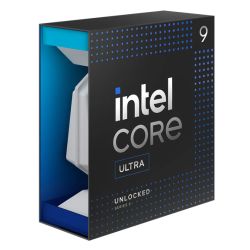
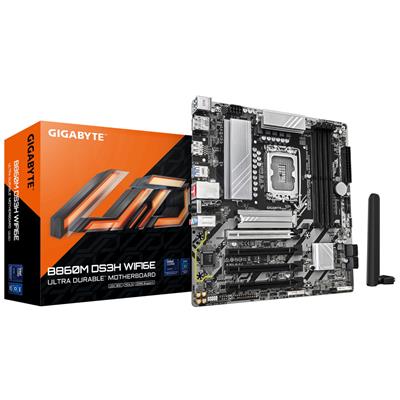
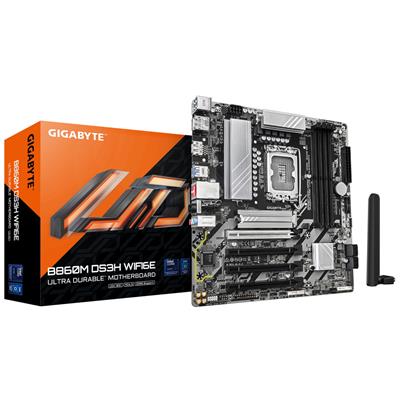
The G6 Genesis U3 is the top rung of the Genesis G6 range. It pairs Intel’s Core Ultra 9 285KF, the 24-core (8 Performance cores + 16 Efficiency cores) Arrow Lake chip on the LGA1851 socket at 5.70 GHz P-core Turbo, with the Nvidia RTX 5070 Ti 16GB on a Gigabyte B860M DS3H WIFI6E mainstream board. The 285KF is the single-thread peak of the Arrow Lake platform: the highest P-core Turbo of the Core Ultra Series 2 lineup, 8 P-cores at the top frequency the desktop generation reaches, and 16 E-cores carrying the production stack, the browser, the launcher, the chat, the patch download, and the recording engine in parallel. The B860M DS3H WIFI6E brings Wi-Fi 6E on the 6 GHz band, 2.5GbE LAN, Bluetooth, Hi-Fi audio, and PCIe 5.0 for the graphics card onboard. Hand-built in Wolverhampton, stress-tested for 24 hours before despatch, 3-year warranty and lifetime UK phone support.
The Genesis G6 range is the all-Arrow-Lake rung of the Intel Core Ultra ladder: every Genesis ships with the Nvidia RTX 5070 Ti 16GB on the same Gigabyte B860M DS3H WIFI6E motherboard, and the only thing that changes between the three is the Intel Core Ultra CPU tier. The G6 Genesis U3 is the top tier of the three, the Ultra 9 285KF at 24 cores and 5.70 GHz P-core Turbo. One rung down sits the G6 Genesis U2 with the Core Ultra 7 265KF, 20 cores at 5.50 GHz for the production-tier sweet spot. Two rungs down sits the G6 Genesis U1 with the Core Ultra 5 245KF, the entry into the Genesis G6 range. Not certain which tier of the Genesis G6 range fits your workload? Call Kevin on 01902 714533. He builds the machine, answers the phone, and gives a straight answer based on your setup, not a sales tier.
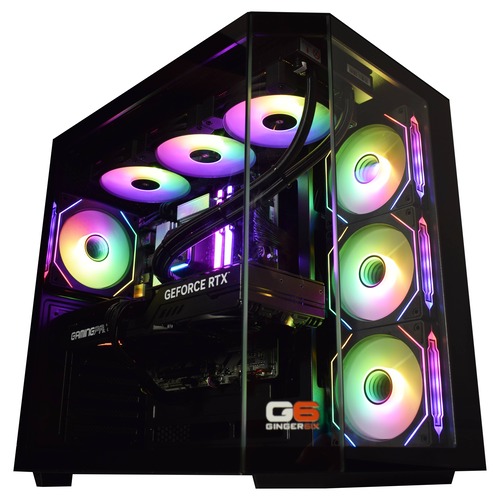
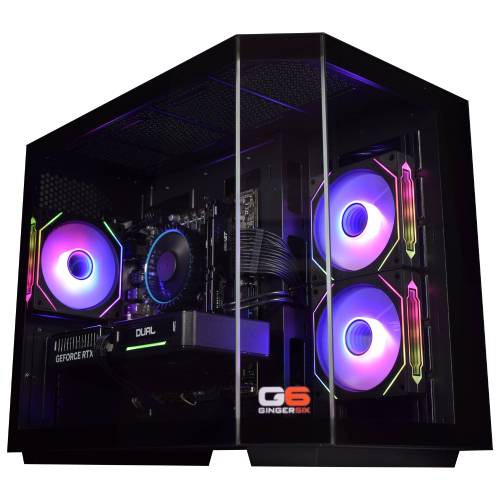
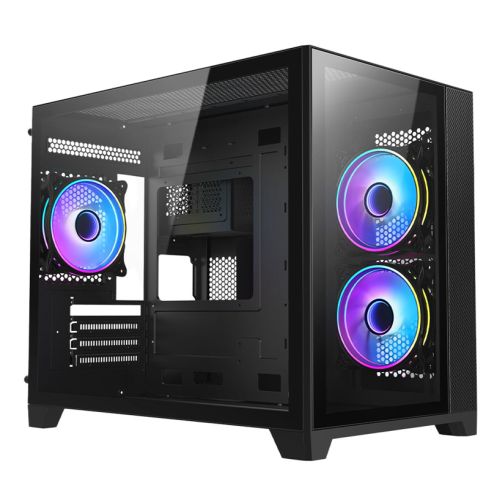
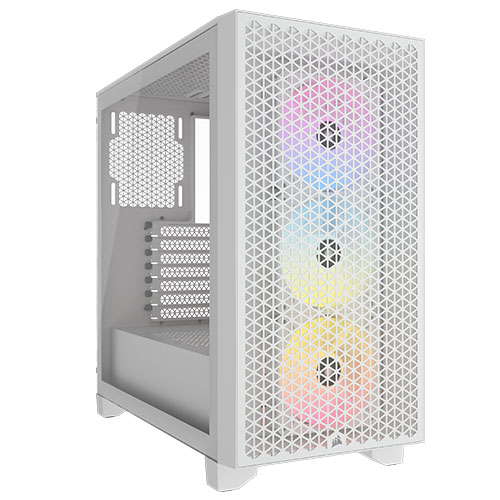
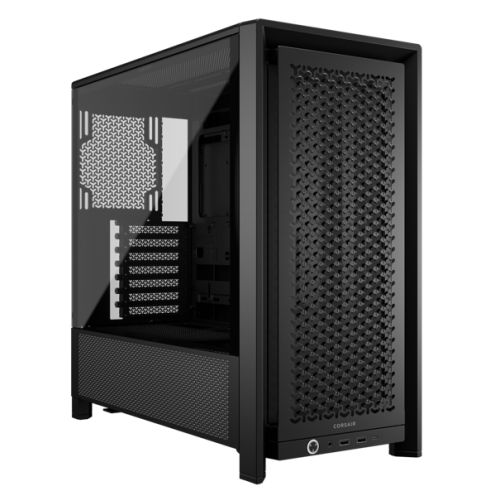
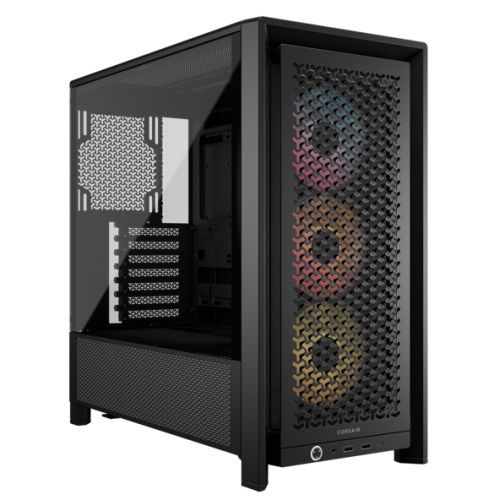
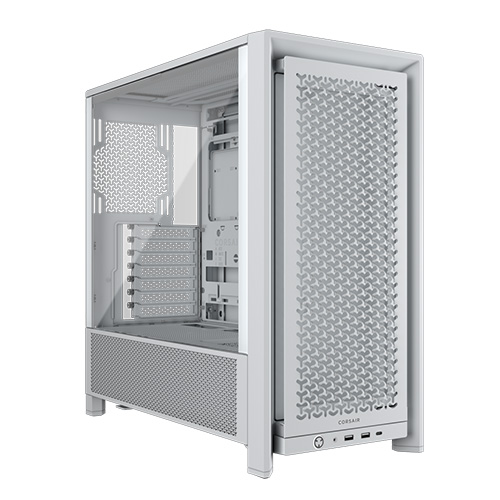
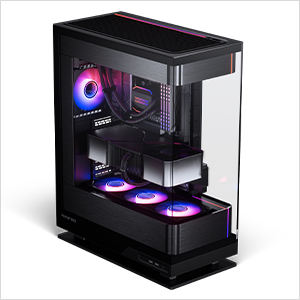
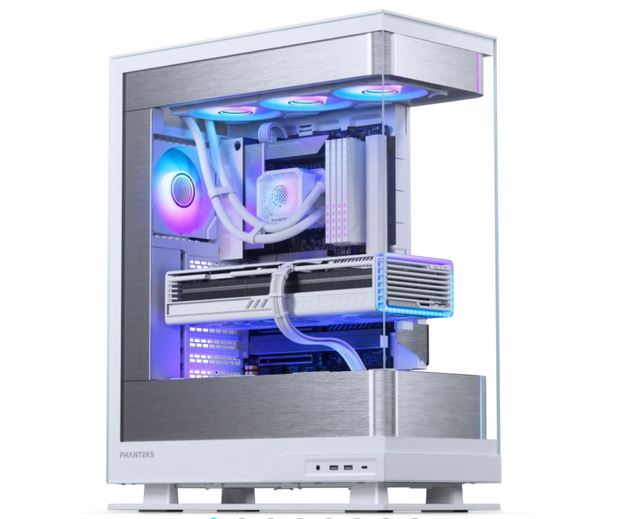
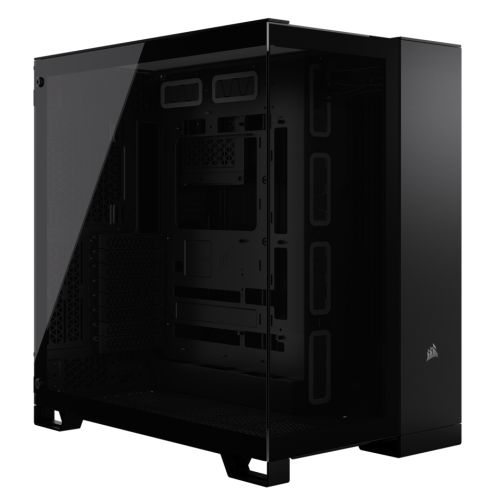
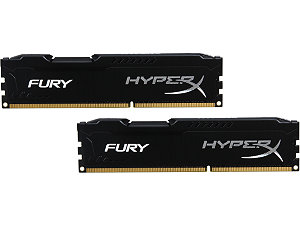
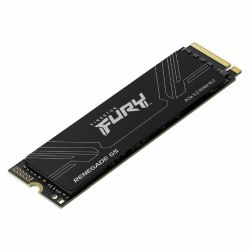
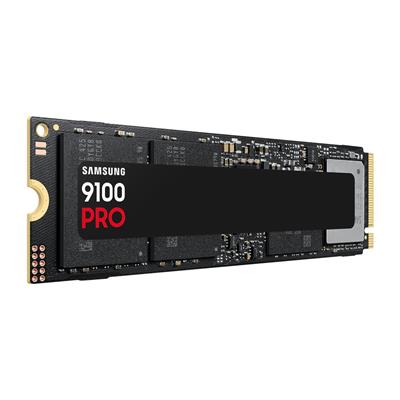
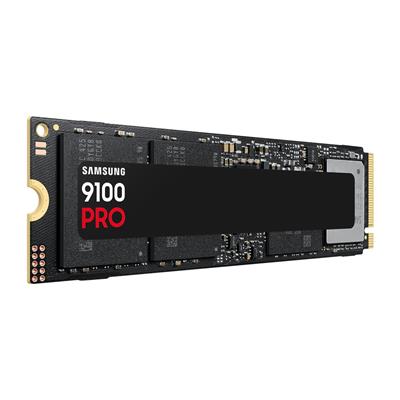
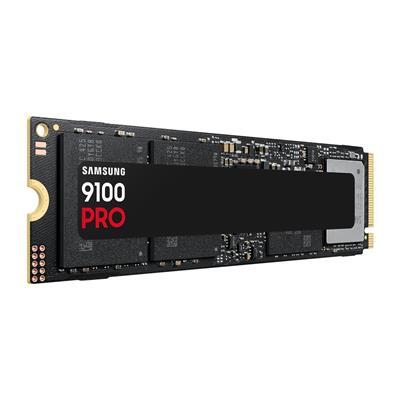
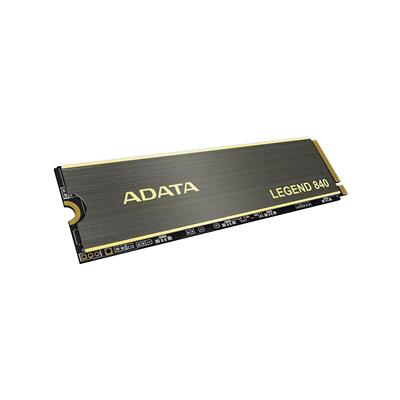
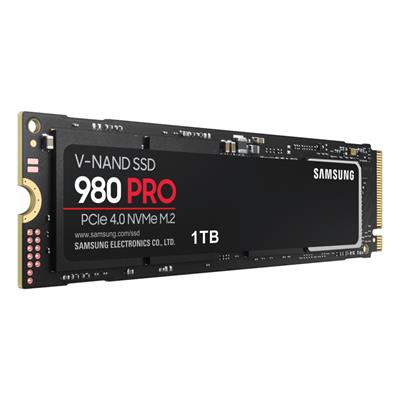
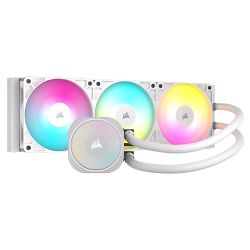
Inside the Vida Edge mid-tower, the Ultra 9 285KF runs under a 360mm ARGB AIO Liquid Cooler with ARGB fans on the radiator, sized for the 24-core hybrid layout at the top of the Arrow Lake platform. The Gigabyte B860M DS3H WIFI6E carries the LGA1851 socket with a Hybrid 5+1+2 phase VRM, four DDR5 DIMM slots populated with 32GB DDR5 5200MHz (2x16GB) Dual Channel memory in dual-channel mode, two M.2 NVMe slots (one PCIe 5.0, one PCIe 4.0) with the included 1TB Gen 4 SSD on the primary slot, a PCIe 5.0 x16 slot for the RTX 5070 Ti 16GB, 2.5GbE Realtek LAN, Wi-Fi 6E 802.11ax onboard with Bluetooth, and Hi-Fi audio with the Audio Noise Guard layout. Power comes from the 850W G6 80+ Gold PSU, sized with sustained-load headroom above the 285KF plus RTX 5070 Ti combination. The G6 Genesis U3 sits in our £2500 gaming PC tier and inside the wider Ginger6 gaming PC catalogue. Browse the RTX 5070 Ti gaming PC range for every 5070 Ti-class build, the wider Intel Core Ultra 9 Gaming PC range, the 4K gaming PCs catalogue, the VR-ready gaming PCs range, the custom PC hub for the wider configuration paths, or the G6 Apex 4 for the AMD X3D path with the same RTX 5070 Ti.
What’s Inside the G6 Genesis U3
Every component selected for the top-of-Arrow-Lake build at the mainstream platform tier. Intel Core Ultra 9 285KF 24-core, 5.70 GHz P-core Turbo, paired with the RTX 5070 Ti 16GB. Dual-channel DDR5 in the canonical 2x16GB kit, NVMe Gen 4 storage, ARGB fans on the 360mm AIO, and the B860M DS3H WIFI6E board with Wi-Fi 6E.
The Top of the Arrow Lake Genesis G6 Ladder
Three reasons the G6 Genesis U3 is the build that lands on this spec.
The Single-Thread Peak of Arrow Lake
The Core Ultra 9 285KF is the top of Intel’s Arrow Lake desktop range, 24 cores total (8 P-cores + 16 E-cores) with 5.70 GHz P-core Turbo, the highest desktop frequency Arrow Lake reaches. For buyers who play competitive shooters at 240 Hz+ panel ceilings, run twitch-engine titles that reward single-thread frequency, or any workload where one or two threads carry the critical path, the 285KF is the chip. Same Arrow Lake hybrid efficiency as the 245KF and the 265KF, with the higher P-core boost and the wider E-core pool that the 24-core layout brings.
Top of the Genesis G6 Range Without the Galactic Premium
The Genesis G6 range is the all-Arrow-Lake rung of the Intel Core Ultra ladder, every tier on the same RTX 5070 Ti 16GB GPU and the same mainstream B860 board class. The Galactic range above the Genesis G6 trades a two-step lift (Z890 enthusiast IO + RTX 5080) for the price premium that comes with that. The Genesis U3 is the top of the Genesis G6 range at the mainstream tier: the 24-core 5.70 GHz peak of Arrow Lake paired with the 16GB GDDR7 GPU sized for 4K, without the Galactic two-step premium on the board and the GPU.
24 Cores for Heavy Production Workloads
The 16 E-cores on the 285KF (compared to 8 on the Genesis U1’s 245KF and 12 on the Genesis U2’s 265KF) is the thread-count expansion at the top of the range. For buyers who play and also run Premiere Pro renders, DaVinci Resolve timelines, Blender CPU render passes, software development build chains, or virtualisation alongside gaming, the wider E-core pool absorbs the multi-thread workload while the P-cores hold the gaming thread untouched. 4K H.265 hardware decode and encode on the 5070 Ti, 24-thread CPU encode if the workflow calls for it.
What the G6 Genesis U3 Plays
Four workloads the RTX 5070 Ti 16GB on the Ultra 9 285KF 24-core Arrow Lake platform is sized for.
The RTX 5070 Ti carries native 1440p Ultra across the modern AAA rotation and 4K with DLSS quality engaged: open world and RPG games like GTA 5 and Black Myth: Wukong, and action and adventure games like Phantom Blade Zero. The 285KF’s 5.70 GHz P-core Turbo holds the highest 1% lows of the Genesis G6 range; the 16GB GDDR7 pool clears the VRAM ceiling that caught the 8GB and 12GB tiers at 4K through 2025.
CS2, Valorant, Apex, Fortnite, Black Ops 7, and Overwatch 2 run at frame rates well into the high hundreds on the RTX 5070 Ti across the wider competitive shooters rotation. For 240 Hz and 360 Hz panel ceilings, the 285KF’s 5.70 GHz Turbo holds the 1% lows tightest in the Genesis G6 range; the gaming thread sits on the highest-frequency P-core, the capture and network and recording stack route to the 16 E-cores by the Windows scheduler, and the panel is fed at the ceiling.
The 16 E-cores on the 285KF carry the heavier production workload while the P-cores hold the gaming or interactive thread. Premiere Pro and DaVinci Resolve timeline scrubbing stays responsive on the P-cores; the render pass uses the full 24-thread CPU pool plus the 5070 Ti hardware encoder. Blender CPU render passes use all 24 threads; the 16GB GDDR7 pool serves the GPU render passes for the same project at 4K. The U3 is the Genesis G6 rung for buyers whose workload exceeds the 20-core Ultra 7 the Genesis U2 lands on.
The RTX 5070 Ti is sized for current-generation VR-ready headsets at high refresh, including the Quest 3 over Link or Air Link. For simulation titles like Assetto Corsa Competizione and the wider racing and flight sim rotation, the 285KF’s 5.70 GHz P-core Turbo holds the physics thread frequency higher than the lower Genesis G6 rungs; sims are notoriously single-thread-leaning workloads, and the 285KF sits at the top of the Arrow Lake range for that reason.
The Genesis G6 U3, Photographed Front to Back
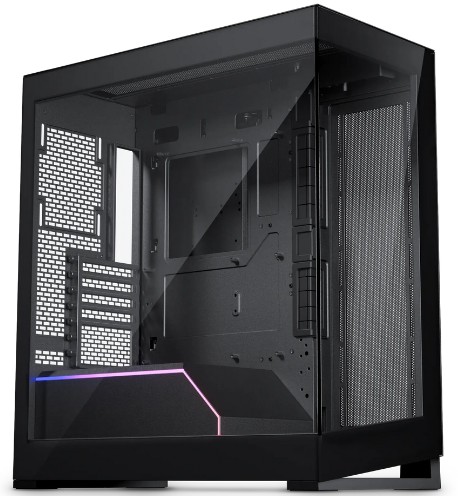
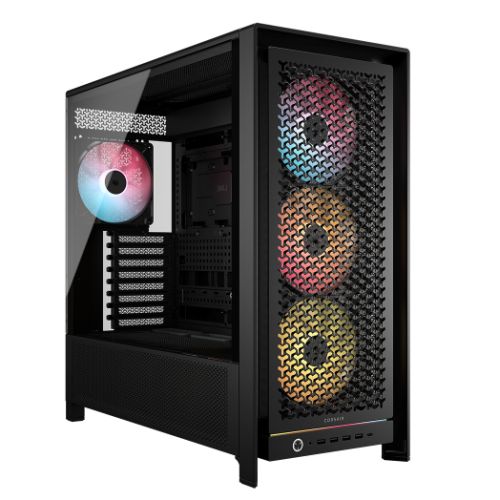
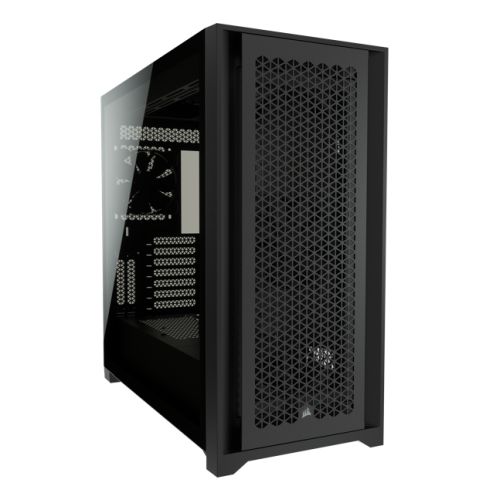
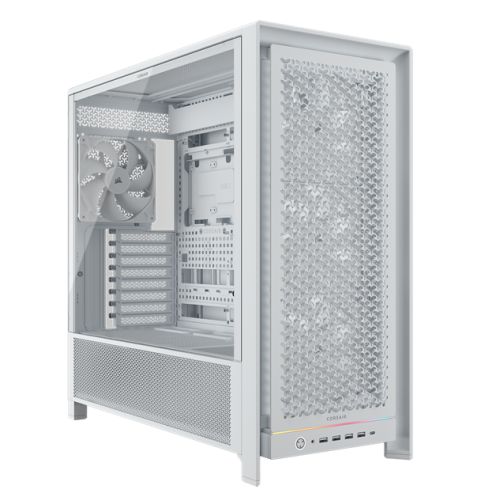
Hand-built in Wolverhampton in the Vida Edge mid-tower with the 360mm ARGB AIO and the Nvidia RTX 5070 Ti 16GB, sized around the 24-core Ultra 9 285KF thermal envelope at 5.70 GHz P-core Turbo. Every cable managed, every component seated correctly, photographed in the workshop after the 24-hour stress test passes.
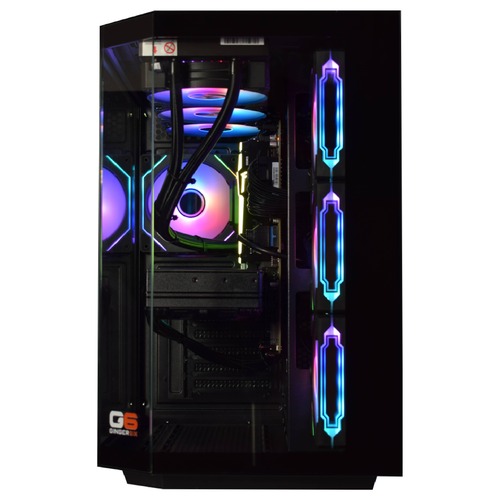
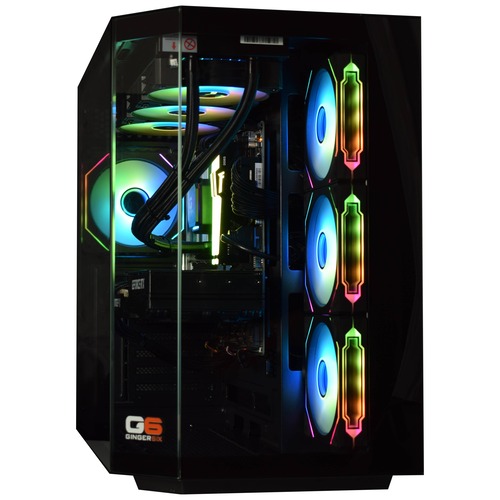
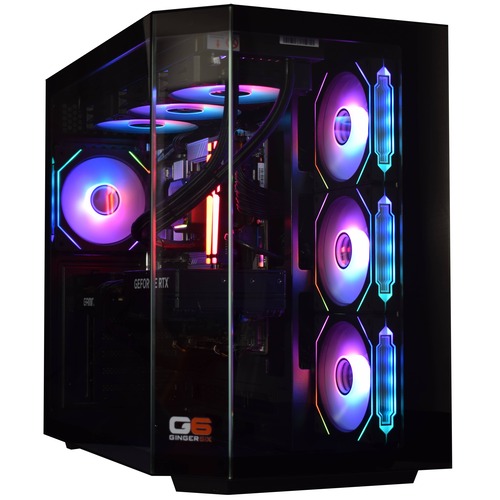
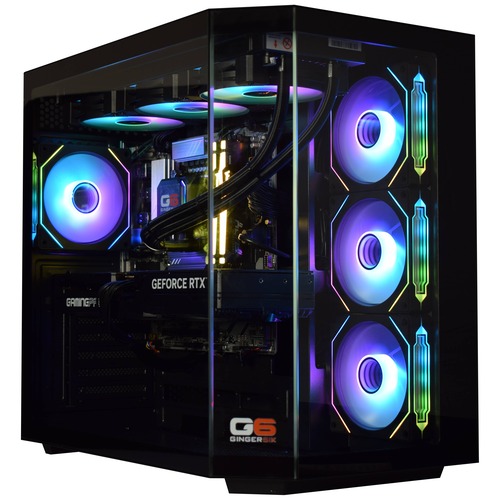
Every machine photographed in the workshop after the 24-hour stress test passes. Browse the full workshop process.
Where the Genesis G6 U3 Sits in the Range
The Genesis G6 range is the all-Arrow-Lake rung of the Intel Core Ultra ladder. Every Genesis G6 ships the same Nvidia RTX 5070 Ti 16GB, the same Gigabyte B860M DS3H WIFI6E motherboard, the same 32GB DDR5 5200MHz (2x16GB) Dual Channel memory, the same 1TB Gen 4 NVMe boot drive, the same Vida Edge chassis with the 360mm ARGB AIO, and the same 850W 80+ Gold PSU. The G6 Genesis U3 is the top tier, and the only thing that differs from the Genesis U2 below it and the Genesis U1 below that is the CPU rung. The 285KF on the Genesis G6 U3 is the single-thread peak of Arrow Lake: 24 cores total (8 P-cores at 5.70 GHz Turbo plus 16 E-cores), the highest desktop frequency the Arrow Lake generation reaches, and the widest E-core pool in the Genesis G6 range for the production stack.
One rung down sits the Genesis G6 U2 with the Core Ultra 7 265KF, 20 cores (8 P-cores + 12 E-cores) at 5.50 GHz P-core Turbo, the production-tier sweet spot of the Genesis G6 range. Two rungs down sits the Genesis G6 U1 with the Core Ultra 5 245KF, 14 cores (6 P-cores + 8 E-cores) at 5.20 GHz P-core Turbo, the entry into the Genesis G6 range. The G6 Genesis U3 is the build for buyers who have already decided to land at the top of the Genesis G6 ladder, who want the 24-core layout for the production stack, and who want the 5.70 GHz P-core Turbo for the competitive-shooter and simulation workloads that reward single-thread frequency above all else.
Across-range: at the next tier up the buyer steps to the G6 Galactic U3 with the i9 14900KF and RTX 5080, the 14th-gen Raptor Lake refresh at the i9 ceiling on Z790 paired with the flagship GPU. The Galactic argument is the two-step lift (enthusiast Z790 board + flagship RTX 5080); the Genesis G6 U3 argument is the newer-generation Arrow Lake platform at 5.70 GHz P-core Turbo on the mainstream B860 tier with the 16GB GDDR7 5070 Ti. On the AMD path at the same GPU class, the G6 Apex 4 with the Ryzen 7 9800X3D carries the AMD 3D V-cache architecture on the same RTX 5070 Ti. Two CPU paths at one GPU tier; the Genesis G6 U3 sits on the Intel single-thread frequency lead at the top of Arrow Lake. Call Kevin if you want a straight answer on which fits your workload.
Tell Kevin:
- The games you play most often
- Your monitor resolution and refresh rate
- Whether you stream, record, or edit alongside gaming
- Your approximate budget
No charge for the conversation. No pressure to buy.
Who the G6 Genesis U3 Is For
Four buyer profiles where the G6 Genesis U3 is the right answer. If your situation matches one of these, the build fits.
Your monitor is 240 Hz or 360 Hz and you play competitive shooters or twitch-engine titles where the engine cares about peak P-core frequency on one or two threads. The 285KF’s 5.70 GHz P-core Turbo is the single-thread peak of Arrow Lake; the 1% lows hold tightest in the Genesis G6 range on this rung, and the panel is fed at the ceiling. The 16 E-cores absorb the network thread, the capture, the chat, and the launcher in parallel without contention.
You play and you also run Premiere Pro renders, DaVinci Resolve timelines, Blender CPU render passes, or software-development build chains alongside gaming. The 16 E-cores on the 285KF (versus 12 on the Genesis U2’s 265KF and 8 on the Genesis U1’s 245KF) is the thread-count expansion that matters here. The P-cores hold the gaming thread at 5.70 GHz Turbo; the E-cores carry the production workload in parallel without contention.
You run flight sims, sim racing titles, Microsoft Flight Simulator, or any simulation engine where the physics thread is the critical-path workload. Simulation engines are notoriously single-thread-leaning: the chip that holds the highest sustained P-core boost is the chip the workload wants. The 285KF’s 5.70 GHz P-core Turbo is that chip in the Arrow Lake range. Pair with the RTX 5070 Ti 16GB for the headset render and the visual texture pool, and the workload is comfortable.
You have considered the Genesis G6 range and the Galactic range above it. The Galactic range trades a two-step lift (Z890 enthusiast board IO including USB4 Type-C 40Gbps, plus the flagship RTX 5080 GPU) for the price premium. The Genesis G6 U3 is the top of the Genesis ladder at the mainstream tier: same 24-core 285KF on a B860 board, same 16GB GDDR7 5070 Ti, without the Galactic two-step premium. The Genesis G6 U2 one rung down is the buy if the 20-core thread count is enough; the Genesis G6 U1 two rungs down is the entry into the same Arrow Lake platform on the 14-core Ultra 5.
What Our Customers Say
Over 1,100 reviews on Trustpilot with a 93% five-star rating. The person who advises on your spec is the person who builds your G6 Genesis U3 and answers the phone after delivery. Read the reviews on Trustpilot directly, nothing here is curated.
Great service, came in good time and looks brilliant.
Great computer and service.
helpful advice, prompt delivery, straight forward good quality products - thanks!
Built by Hand in Wolverhampton
Every G6 Genesis U3 goes through the same three-stage workshop process. The 24-hour stress test is the gate that holds dispatch.
Before assembly begins, the configuration is reviewed against the games you play, the monitor you own, and any production work or simulation workload you run alongside gaming. If you have spoken to Kevin, the build sheet reflects that conversation. Components are verified against current stock, the 360mm ARGB AIO Liquid Cooler orientation is confirmed for the Vida Edge chassis with the 24-core Ultra 9 in mind, and the build is queued in the workshop schedule.
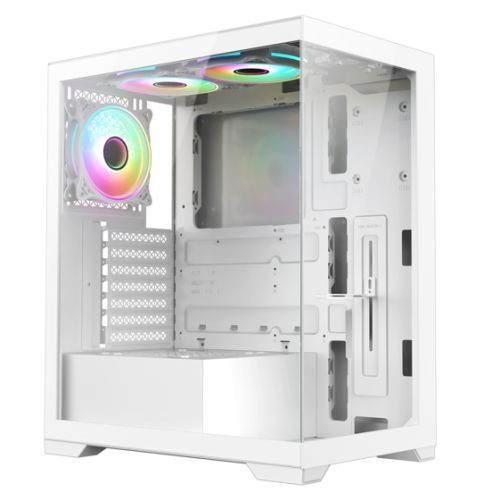
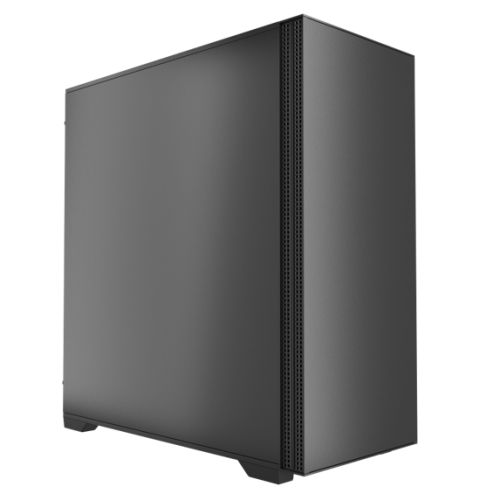
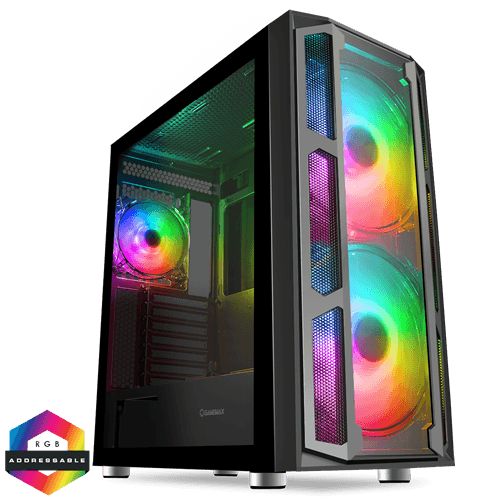
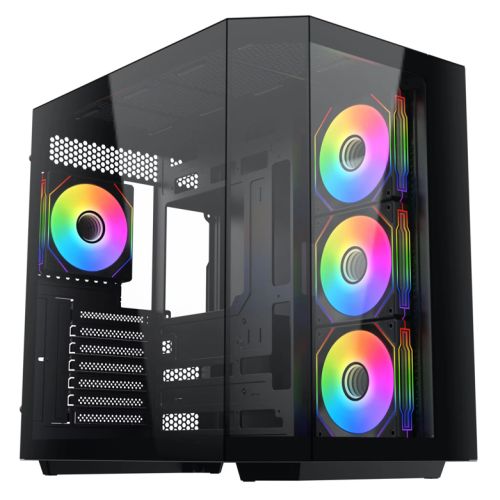
The G6 Genesis U3 is assembled inside the Vida Edge. The B860M DS3H WIFI6E is mATX, so the build keeps the cleaner internal volume the smaller board frees up. The 360mm radiator mounts at the top with the fans drawing fresh air through the front mesh; the 285KF’s 8 P-core + 16 E-core hybrid layout responds well to direct intake to the radiator under sustained 5.70 GHz P-core boost. The RTX 5070 Ti is seated with the anti-sag bracket. Cable management routes the high-current GPU cable behind the cable shroud. BIOS settings, DDR5 5200MHz dual-channel mode, NVMe boot order, and on-board Wi-Fi 6E and Bluetooth driver updates are confirmed before the 24-hour test begins.
Every G6 Genesis U3 runs sustained CPU plus GPU load for a full day before it ships. The test loop covers thermal behaviour under sustained 5.70 GHz P-core boost on the 285KF, memory stability under DDR5 5200MHz (2x16GB) dual-channel timing, NVMe storage performance under sustained read/write on the PCIe 4.0 boot slot, and frame-pacing behaviour in modern AAA at 4K. The 285KF is monitored for thermal headroom across all 24 cores; the RTX 5070 Ti is held at sustained boost. Boost behaviour, fan curves, AIO pump speed, and storage performance are all logged before despatch. Your G6 Genesis U3 ships free to mainland UK addresses, fully insured and tracked.
- Thermal behaviour under sustained load
- Processor and graphics stability during extended use
- Memory responsiveness and system stability
- Storage performance and consistency
- BIOS and firmware stability
- Frame pacing in modern AAA at the build’s target resolution
Where the Genesis G6 U3 Sits in the Range
Three Genesis G6 tiers paired with the same Nvidia RTX 5070 Ti 16GB on the same Gigabyte B860M DS3H WIFI6E motherboard; the only thing that changes between them is the Intel Core Ultra CPU tier. The Genesis G6 U3, the page you are on, sits at the top of the range with the Core Ultra 9 285KF (24 cores, 8P + 16E) at 5.70 GHz on the new LGA1851 Arrow Lake platform, 32GB DDR5 from the start. Every Genesis G6 ships with the same RTX 5070 Ti 16GB, the same 1TB M.2 NVMe SSD, the same Vida Edge chassis, the same 850W G6 80+ Gold PSU, the same 360mm ARGB AIO cooler, and the same Wolverhampton 24-hour stress test.
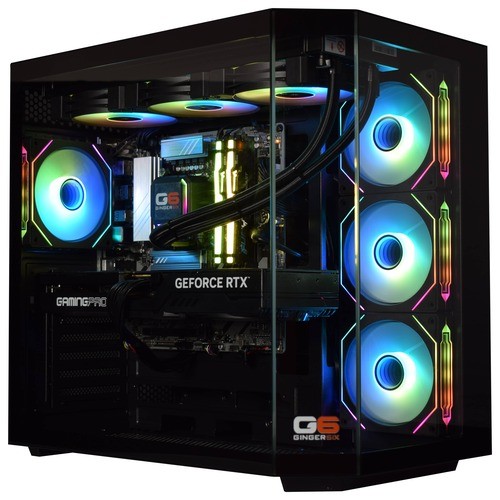
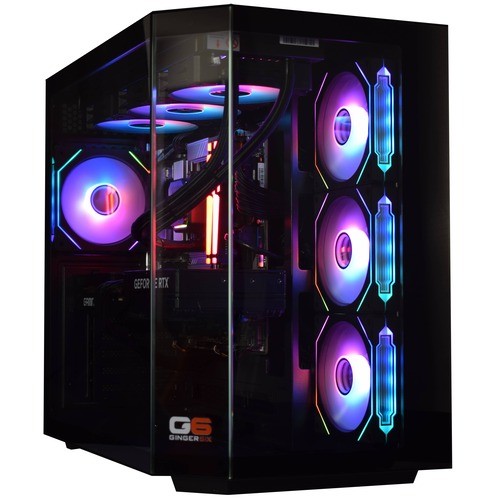
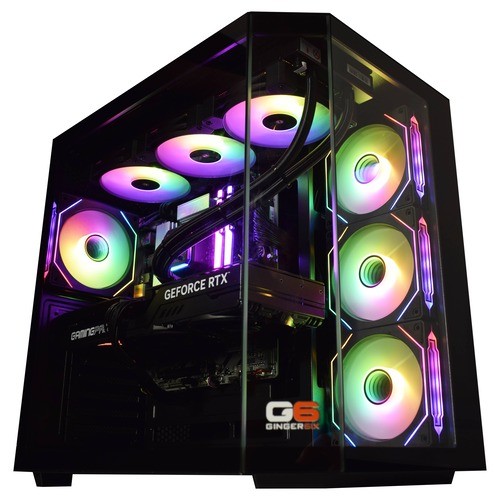
Browse the full Nvidia RTX 5070 Ti gaming PC range for every 5070 Ti-class build, the wider Intel Core Ultra 9 gaming PC range, or jump back to the complete gaming PC catalogue. For the AMD path at this GPU tier, the G6 Apex 4 with the Ryzen 7 9800X3D is the natural across-range alternative.
Questions About the Genesis G6 U3
The Genesis G6 range is the all-Arrow-Lake rung of the Ginger6 Intel Core Ultra ladder. Three tiers in the range, every Genesis G6 ships with the same Nvidia RTX 5070 Ti 16GB GPU and the same Gigabyte B860M DS3H WIFI6E mainstream motherboard. The only thing that changes between the three is the Intel Core Ultra CPU tier. The Genesis G6 U1 is the entry rung (Core Ultra 5 245KF, 14 cores, 5.20 GHz P-core Turbo). The Genesis G6 U2 is the production-tier middle rung (Core Ultra 7 265KF, 20 cores, 5.50 GHz). The Genesis G6 U3 is the top rung (Core Ultra 9 285KF, 24 cores, 5.70 GHz P-core Turbo, the single-thread peak of the Arrow Lake platform).
The Core Ultra 9 285KF is Intel’s current-generation Arrow Lake flagship desktop chip on the new LGA1851 socket. Compared to the 14th-gen i9 14900KF on Z790 (the chip the Galactic U3 sits on), the 285KF carries a measurable single-thread instruction-per-cycle improvement, runs cooler under sustained load, and at lower total package power. The LGA1851 platform brings Wi-Fi 6E on the 6 GHz band, 2.5GbE LAN, and PCIe 5.0 graphics onboard. The 24-core layout (8 P-cores + 16 E-cores) trades two P-cores against the 14900KF for a higher P-core boost frequency and lower thermals at the same workload. For buyers who want Intel’s newer-generation flagship CPU with the same RTX 5070 Ti GPU at the mainstream platform tier, the 285KF on the Genesis G6 U3 is the right choice.
For sustained gaming with the production stack running alongside on the 16 E-cores, yes. The 285KF runs cooler than the 14th-gen i9 14900KF at equivalent boost clocks, so the 360mm radiator is paired with thermal headroom rather than at the edge. The radiator surface holds fan speeds and noise low at gaming load, and gives the 285KF the envelope to sustain the 5.70 GHz P-core boost under sustained multi-core production workloads on the E-cores in parallel. ARGB fans are on the radiator. The Genesis G6 U3 ships with the 360mm AIO as the workshop-standard pairing for the 24-core layout at the top of the Arrow Lake range.
Two-step lift. The G6 Galactic U3 sits one tier above the Genesis G6 U3 with both the GPU stepping up (RTX 5070 Ti 16GB on the Genesis to RTX 5080 16GB on the Galactic) and the motherboard stepping up (mainstream Gigabyte B860M DS3H WIFI6E on the Genesis to enthusiast Gigabyte Z890 / Z790 on the Galactic with USB4 Type-C 40Gbps, three M.2 slots, and the wider enthusiast IO). The Galactic argument is the two-step lift premium. The Genesis G6 U3 argument is the top of the Arrow Lake CPU range at the mainstream board class with the 16GB GDDR7 GPU sized for 4K. For buyers who want the absolute flagship GPU and the enthusiast board IO, the Galactic U3 is the build. For buyers who want the 285KF single-thread peak on the mainstream tier without the Galactic two-step premium, the Genesis G6 U3 is the build.
Yes. The LGA1851 socket supports the current Core Ultra Series 2 line and is expected to carry forward to the next-generation desktop refresh; the Gigabyte B860M DS3H WIFI6E has four DDR5 DIMM slots supporting DDR5 OC speeds up to 9066 MT/s, two M.2 slots (one PCIe 5.0, one PCIe 4.0) for the boot drive plus a future Gen 5 NVMe drop-in, and the 850W G6 80+ Gold PSU has the headroom for a one-tier GPU upgrade in future. The 1TB Gen 4 NVMe drive is the boot drive; a 2TB or 4TB Gen 4 or PCIe 5.0 second drive is the obvious first upgrade as your library grows. Call Kevin when you are ready to upgrade.
The standard Bronze warranty covers 1 year of parts and labour plus 2 additional years of labour-only cover. The Silver option extends parts and labour cover to 2 years. The Gold option provides full parts and labour cover for all 3 years, giving complete peace of mind for the lifetime of the warranty. All options include lifetime free UK phone support. For a machine of this specification, Gold cover is worth considering against the price difference.
Ready to Configure Your Genesis G6 U3?
Use the options above or call Kevin on 01902 714533. He will help you configure the right spec for your monitor, your gaming rotation, your production workload, and your budget. Lifetime UK phone support, 3-year warranty, free mainland UK delivery, available on 0% finance via PayPal Pay In 3 for orders above £500.
Custom Options
£2,904.24
£2,729.99
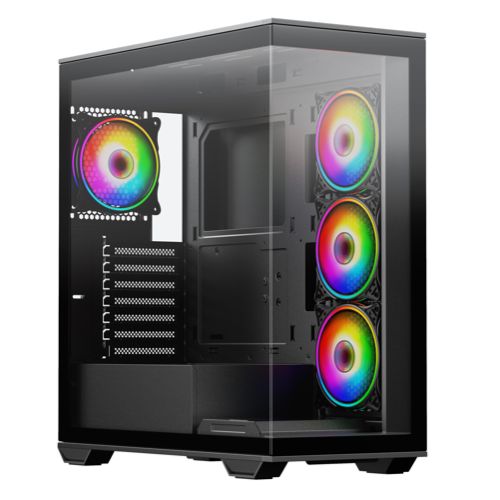
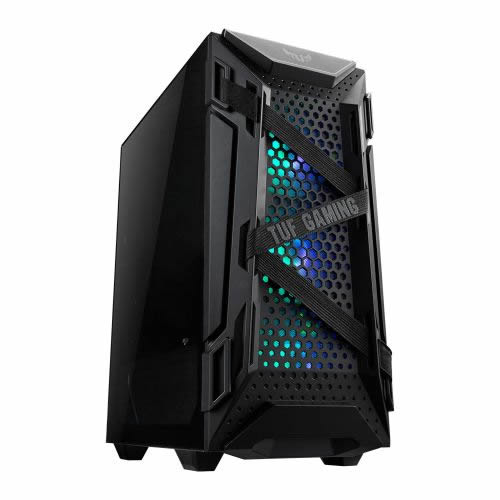
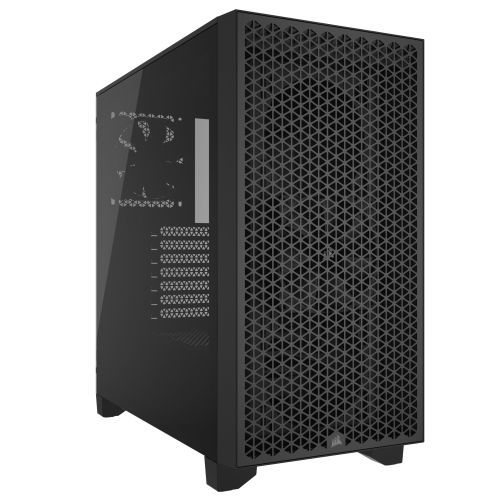
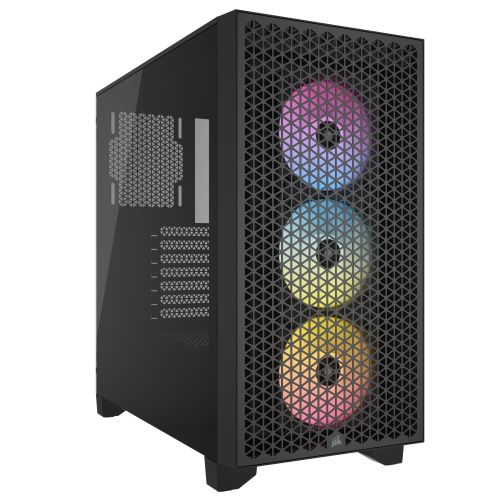



















































* Required Fields
Specifications
Additional Information
| Processor | Intel Core Ultra 9 285KF |
|---|---|
| Processor Type | Intel Core Ultra 9 |
| No of Cores | 24 |
| Max Core Speed | 5.70GHz |
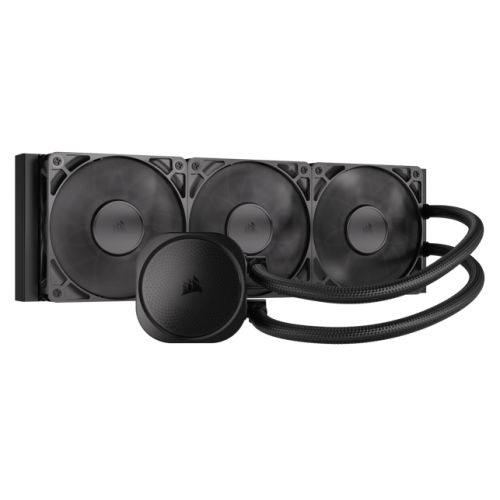
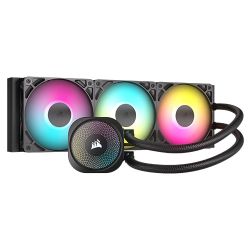
| CPU Cooler | 360mm ARGB AIO Liquid Cooler |
| Motherboard | Gigabyte B860M DS3H WIFI6E |
| Case | Vida Edge |
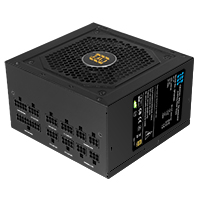
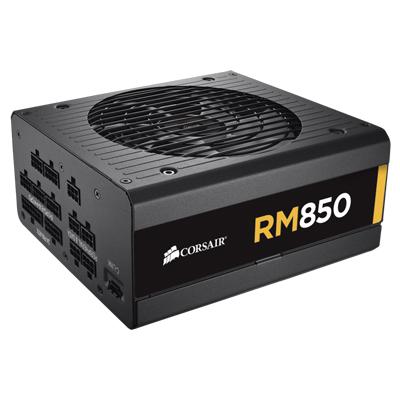
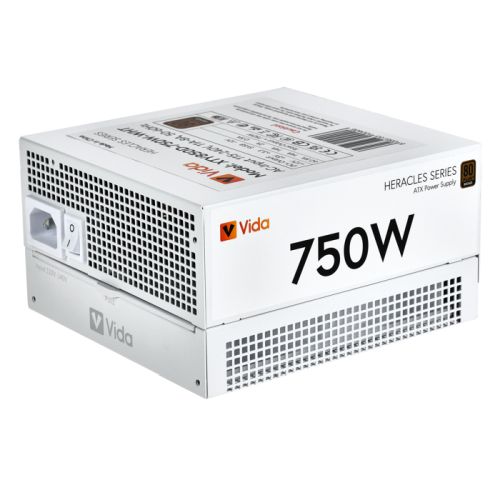
| Power Supply | 850w G6 80+ Gold |
| Memory Size | 32GB |
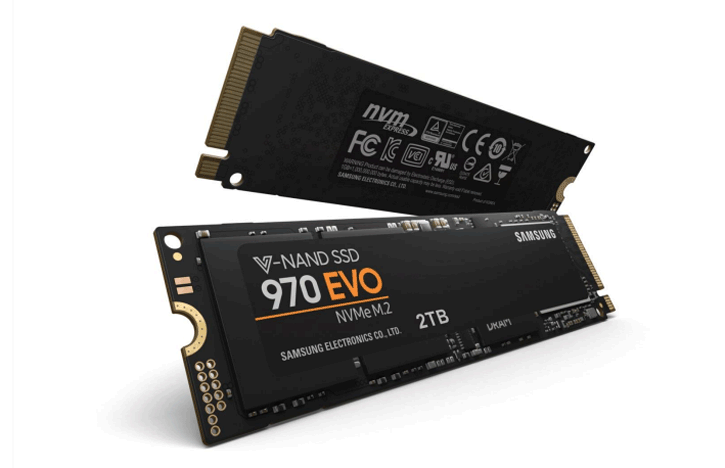
| Solid State Drive Size | 1TB |
| Graphics | Nvidia RTX 5070 Ti 16GB |
| Graphics Card Connections | Displayport (x3), HDMI |
| Audio | 8-Channel High Definition Audio |
| LAN | 10/100/1000 Gigabit LAN Port, 2.5GB LAN, Bluetooth, Wi-Fi 6 |
| Ethernet | Realtek 2.5GbE |
| Wi-Fi | WiFi 6E (Intel AX211 rev1.0 / Realtek RTL8852CE rev1.1) |
| Bluetooth | 5.3 |
| Connections | Rear: 1x USB 3.2 Gen2, 2x USB 3.2 Gen1, 3x USB 2.0 |
| Front Panel Connections | 1x USB-A 3.x, 2x USB-A 2.0, HD Audio/Mic combo jack |
| USB2 Ports | 5 |
| USB3 Ports | 4 |
| USB-C Ports | 0 |
| Operating System | Windows 11 Home |
| Monitors | Optional (See Custom Options) |
| Warranty | 3 Year Bronze Warranty |
Reviews
-
Service was great Review by Sean davies
Price Value Quality Customer Service Service was great, originally changed my mind on what build I wanted, it was sorted very quick and dispatched and received within a few days. (Posted on 30/01/2026)
-
Service was great Review by Sean davies
Value Quality Price Customer Service Service was great, originally changed my mind on what build I wanted, it was sorted very quick and dispatched and received within a few days. (Posted on 23/01/2026)
-
Had 3 PCs from Kevin Review by James Bailey
Quality Value Price Customer Service had 3 Gaming PCs from kevin, all great and happy with service. thanks
happy to recommend (Posted on 24/05/2024) -
The Cream Review by Jon
Quality Price Value Customer Service I have purchased many pcs over the years and I think this is the cream of all of them. (Posted on 04/03/2023)
-
Very pleased Review by Erin
Value Quality Price Customer Service Very pleased at the moment, bought this with 32gig of ram and a RTX graphics cards for a bargain price, allows me to play the highest spec games at full pace, has yet to be challanged in performance. Win 11 was awkward at first but you get used to it (Posted on 03/03/2022)
-
PC was safe but packaging damaged Review by Stephen Cooke
Value Quality Price Customer Service The PC came in undamaged and packaged well. Each part was secured by the packaging to make sure nothing was broken, the PC performing at optimal level and as expected. Though the PC was safe, the box it came with was damaged. Overall, a good service. Definitely trust-worthy. (Posted on 02/07/2021)
-
Best built base unit i have ever Review by William Allan Richardson
Value Quality Price Customer Service Best built base unit i have ever ordered, and delivery really good (Posted on 20/03/2021)
-
Fantastic service Review by Jacob Kennedy
Value Quality Price Customer Service Fantastic service. Desktop received in perfect quality. Very legit business. I had an issue tracking my order and received excellent customer service via email within 24hrs assisting me with this. 10/10 recommend. (Posted on 13/12/2020)
-
already done review all top class Review by Brian Hayes
Value Quality Price Customer Service already done review all top class (Posted on 26/10/2020)
-
Excellent service very quick on doing Review by Guest
Value Quality Price Customer Service Excellent service very quick on doing the pc and getting it delivered no problems with the pc i would recommend ginger6 to anyone there again I have my dad as put an order in for 1 and my brother is saving up for as well (Posted on 16/10/2020)