




AMD Ryzen 7 7800X3D AMD Radeon RX 9070 XT Gaming PC - G6 Apex3 Radeon
Description
G6 Apex 3 Radeon, the All-AMD X3D Flagship for 1440p High-Refresh and 4K
The G6 Apex 3 Radeon pairs the Ryzen 7 7800X3D, the cache-heavy AMD chip that sits at the top of most independent gaming-CPU charts in 2026, with the Radeon RX 9070 XT and 16GB of GDDR6. The result is an all-AMD 1440p high-refresh build with genuine 4K headroom in titles where 16GB of VRAM and FSR upscaling matter. Hand-built in Wolverhampton against the same process Ginger6 has run since 2001, the Apex 3 Radeon ships fully tested with a 3 year warranty and lifetime UK phone support.
Not certain whether the Apex 3 Radeon, the Apex 3 Nvidia, or the higher Apex 4 fits your monitor and the games you play? Call Kevin on 01902 714533, he builds the machine, answers the phone, and gives a straight answer based on your setup, not a sales tier.

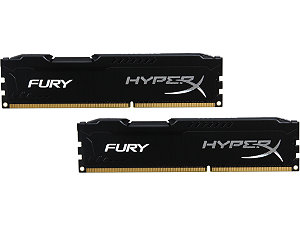
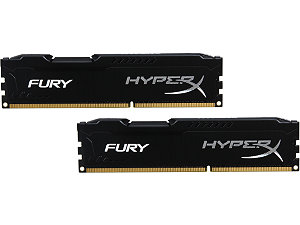
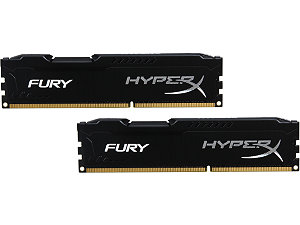
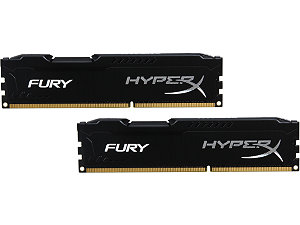
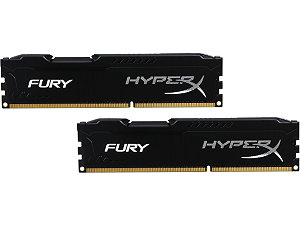
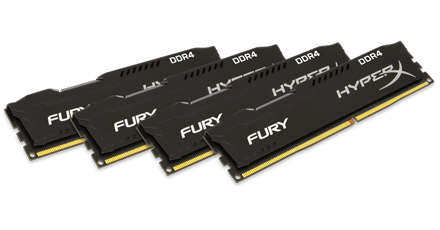
The 7800X3D is the workload-defining part. AMD’s 3D V-Cache stacks an extra 64MB of L3 directly under the CPU, giving the cores 96MB total. Cache-sensitive engines, CS2, Counter-Strike, Escape from Tarkov, Microsoft Flight Simulator 2024, DCS, Cities: Skylines 2, Path of Exile, simulation titles with heavy world data, pull a measurable 1% low advantage from this layout that no Intel mainstream chip currently matches at the price. 32GB of DDR5 5200MHz dual-channel memory (2x16GB sticks) gives the build modern game headroom plus capacity for streaming, recording, and the second-monitor browser stack a serious player has open while playing. The Apex 3 Radeon sits one rung above the G6 Apex 3 Nvidia (RTX 5070) for buyers who prefer the Radeon platform and the higher 16GB VRAM frame. Step up to the G6 Apex 4 with the 9800X3D if your target is sustained 4K Ultra in path-traced titles. The RX 9070 XT runs competitive shooters well above any 240Hz panel and handles open-world and RPG titles at 4K High including Cyberpunk 2077, Black Myth Wukong, Elden Ring, The Witcher 4, and Baldur’s Gate 3. Browse the full gaming PCs range or compare configuration paths inside our custom PCs hub, or browse other builds in this price band on the £2000 gaming PCs tier.
What’s Inside the G6 Apex 3 Radeon
Every component selected for cache-sensitive 1440p high-refresh play and 16GB-VRAM 4K headroom. The all-AMD platform feeds itself end to end, CPU, GPU, infinity fabric, and FSR upscaling on the same vendor stack.
Built Specifically for High-Refresh 1440p and 4K-Ready Play
Four decisions define the Apex 3 Radeon. Each one ties to a real outcome on a panel and inside a game engine.
All-AMD X3D platform end to end
The Apex 3 Radeon is the build for buyers who value the single-vendor stack: AM5 socket on the CPU side, RDNA 4 on the GPU side, FSR 4 frame generation on AMD silicon, AMD AGESA firmware on the BIOS, AMD Adrenalin on the driver. The 7800X3D's 96MB L3 cache feeds the engine; the RX 9070 XT's 16GB GDDR6 frame carries the 1440p high-refresh and 4K-with-FSR workload; both halves get vendor updates on the same cadence.
16GB GDDR6 + FSR 4 for 4K-with-upscaling
The RX 9070 XT lands in the RTX 5070 Ti raster band with 16GB of GDDR6 on the bus. At 4K High in modern open-world titles (Cyberpunk 2077, Black Myth Wukong, The Witcher 4, Hogwarts Legacy) the texture pool spills past 12GB once Ultra textures and ray-traced shadows engage; 16GB absorbs that spike. FSR 4 quality upscaling on RDNA 4 silicon is now competitive with DLSS 4 quality in the supported titles.
Single-vendor driver stack
AMD's Adrenalin driver release hits both halves of the build (CPU AGESA + Radeon GPU) at the same cadence, which removes the configuration mismatches a cross-vendor Nvidia+AMD build can occasionally surface. The Apex 3 Radeon's driver story is materially cleaner for the buyer who would rather not chase two vendors' release notes — the workshop ships it pre-configured with the matching versions and the 24-hour test runs on that exact combination.
AM5 + RDNA 4 upgrade headroom on day one
AMD has confirmed AM5 support through at least 2027, and RDNA 4's PCIe 5.0 footprint will continue to be supported by future-generation cards. The Apex 3 Radeon ships with a clear upgrade path on both axes — a Ryzen 9 X3D drop-in later in the platform's life, or a future Radeon card swap into the same PCIe 5.0 slot. Pair with the finance options to spread the build cost.
What the G6 Apex 3 Radeon Plays
High refresh in competitive shooters. 1440p Ultra across modern open-world. 4K headroom in titles where 16GB VRAM matters. FSR 4 quality upscaling on RDNA 4 where the engine demands it.






Figures are estimates based on benchmarks at . Actual performance depends on settings, drivers, and system configuration. FSR 4 quality available in supported titles on the RX 9070 XT.
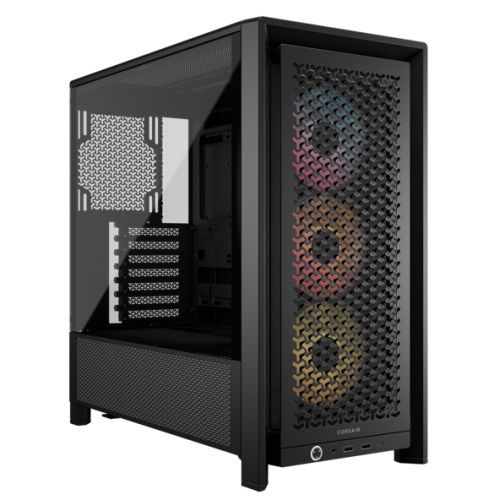
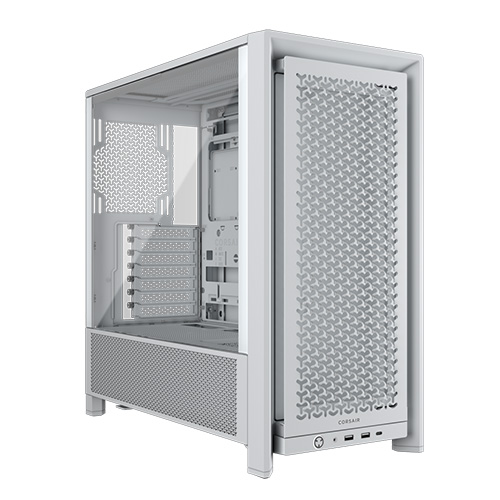
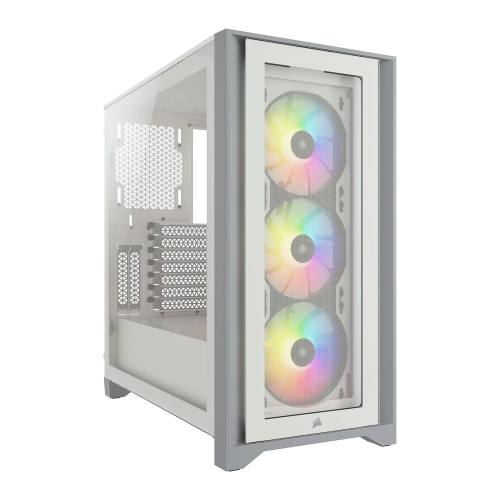
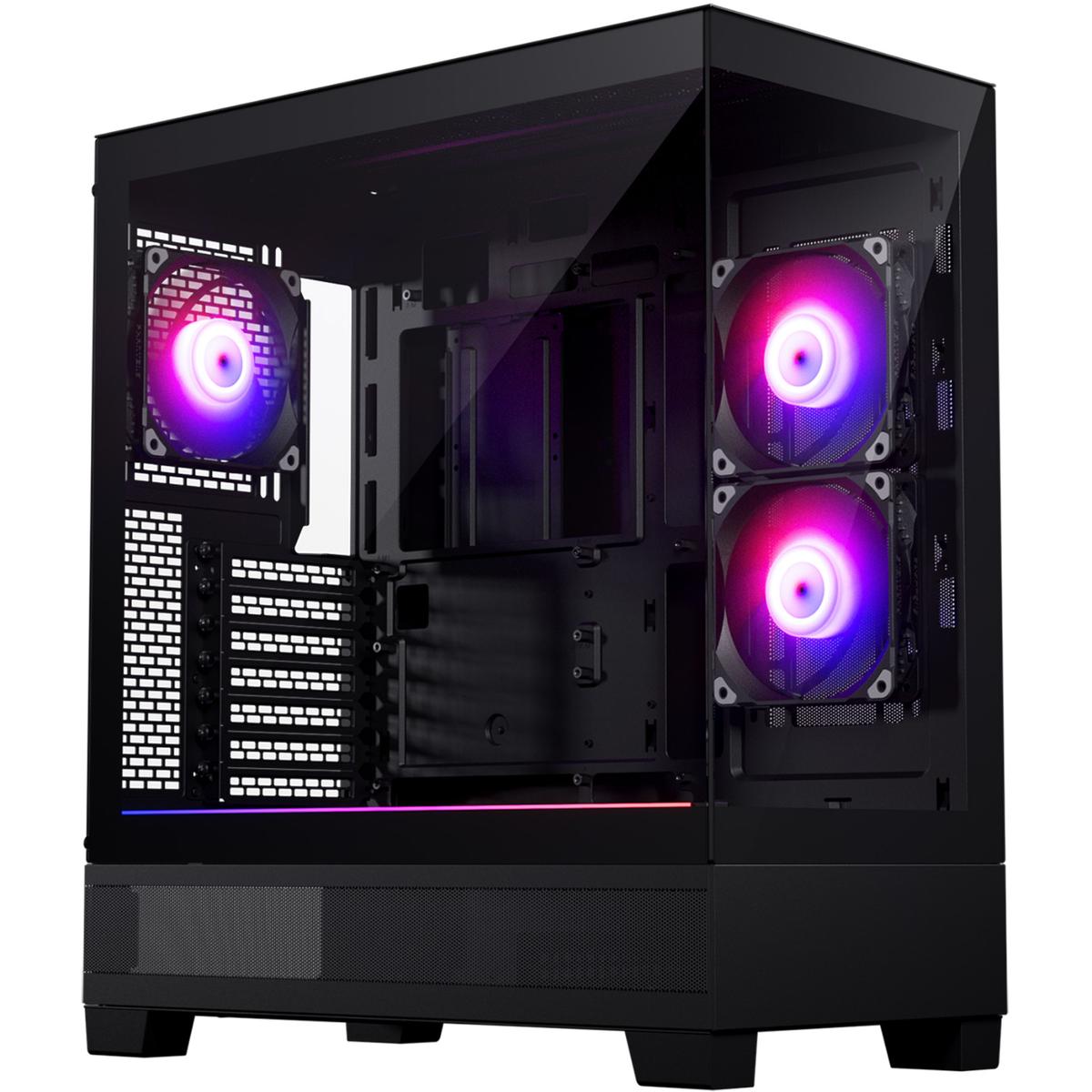
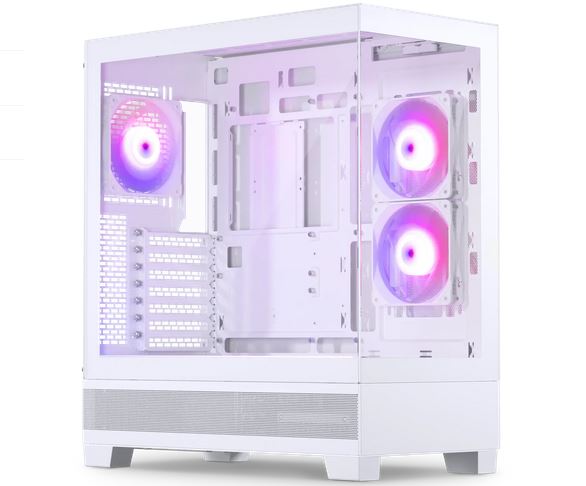
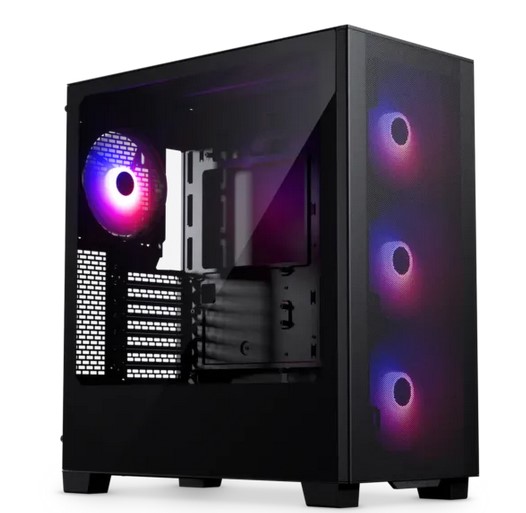
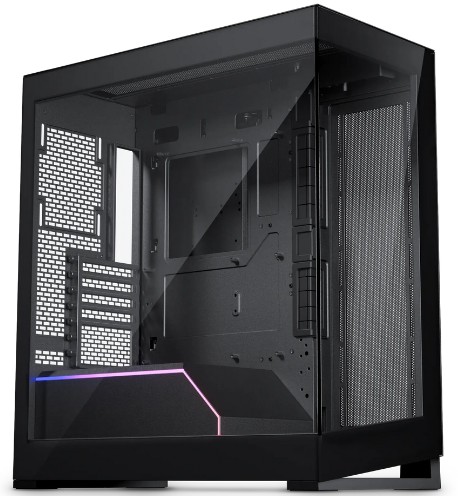
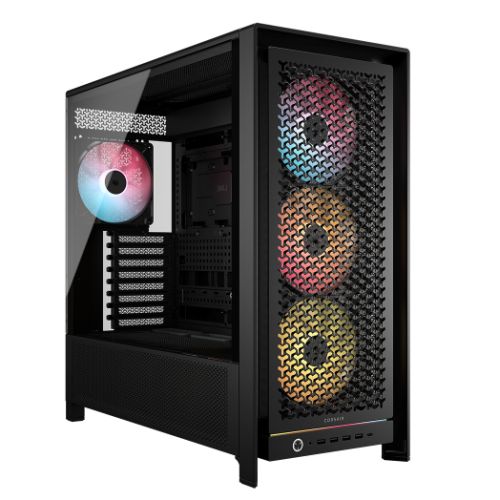
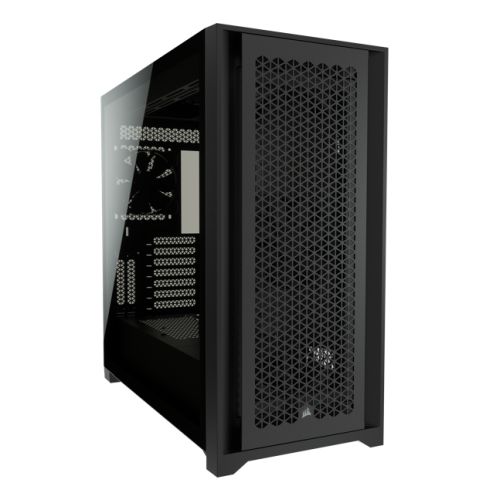
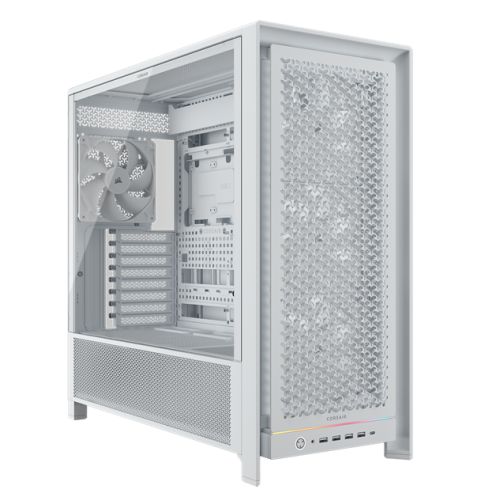
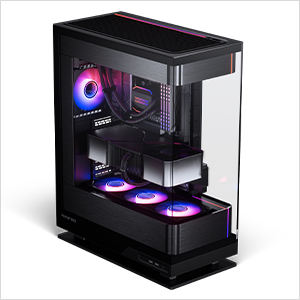
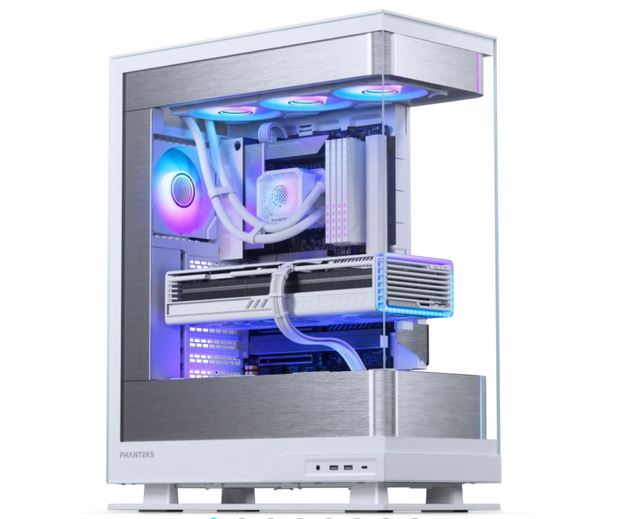
The G6 Apex 3 Radeon, Photographed Front to Back
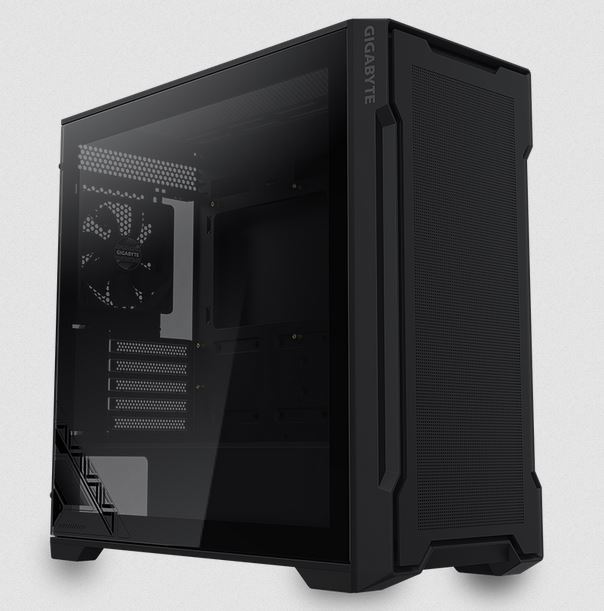
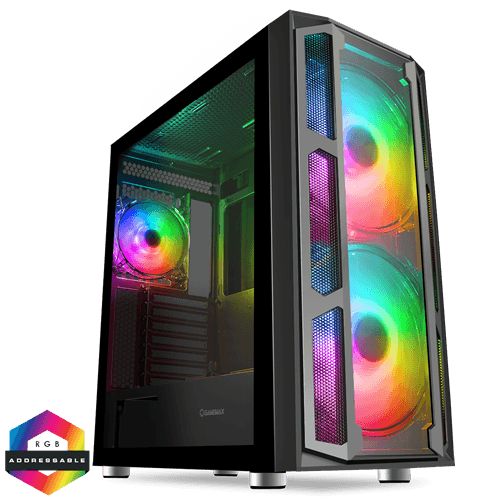
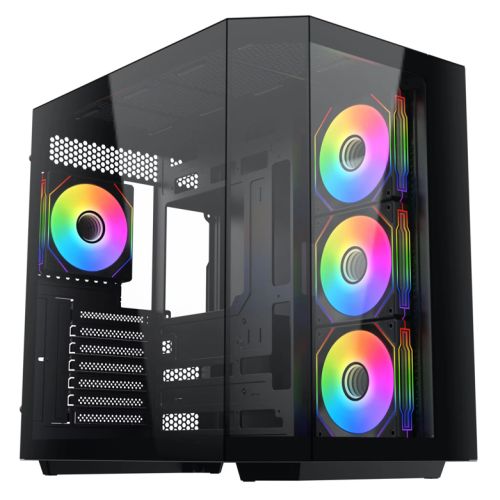
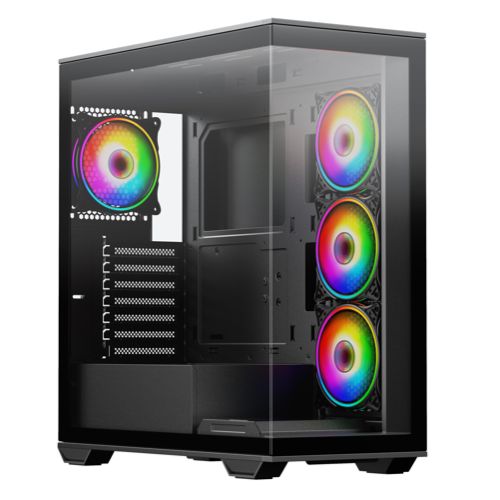
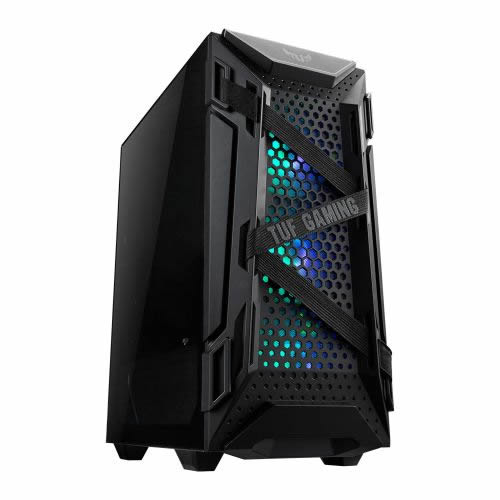
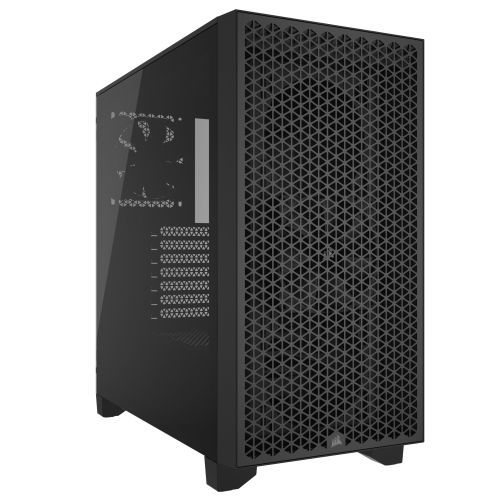
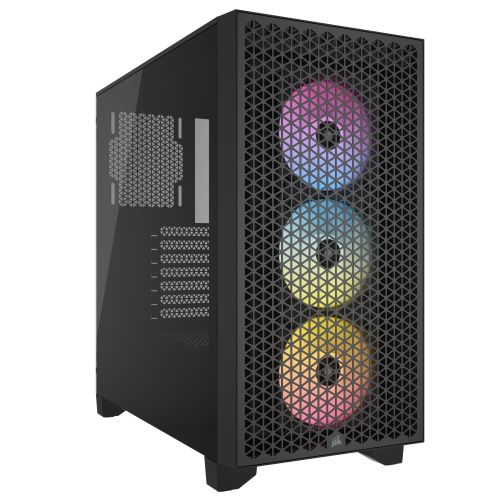
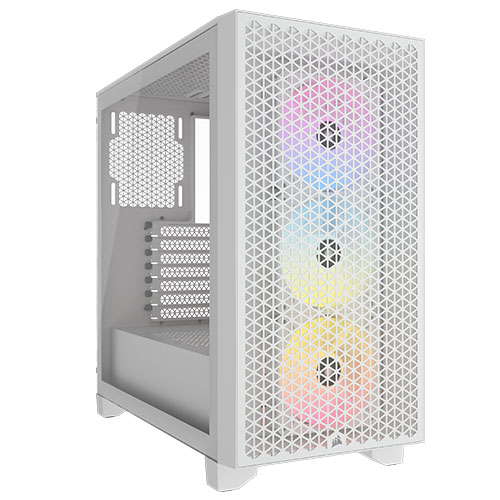
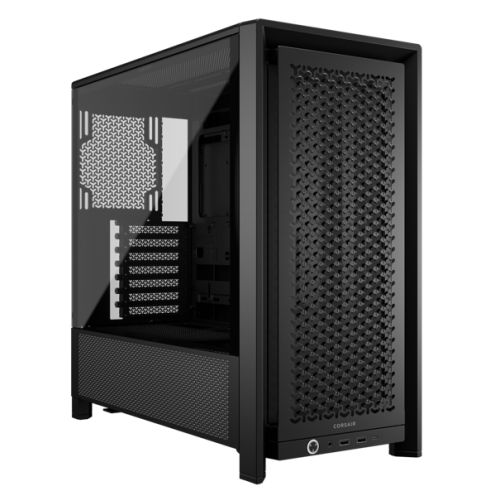
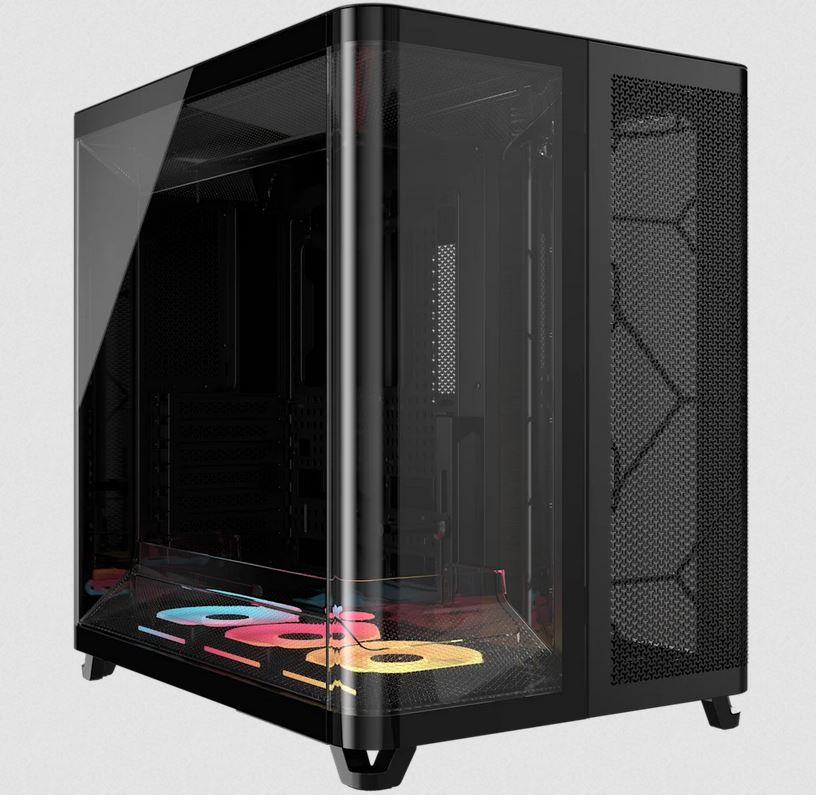
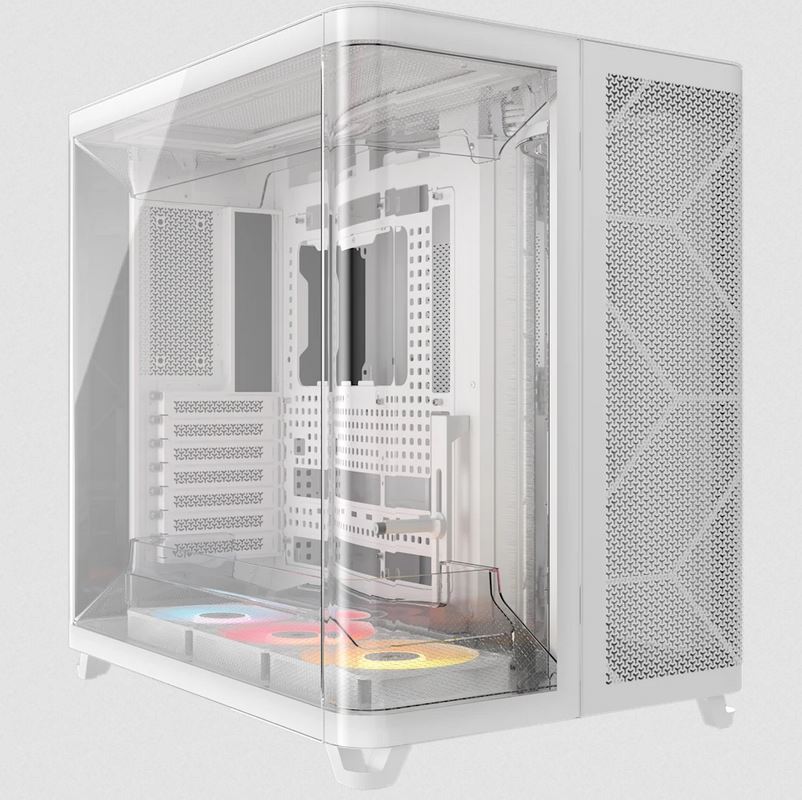
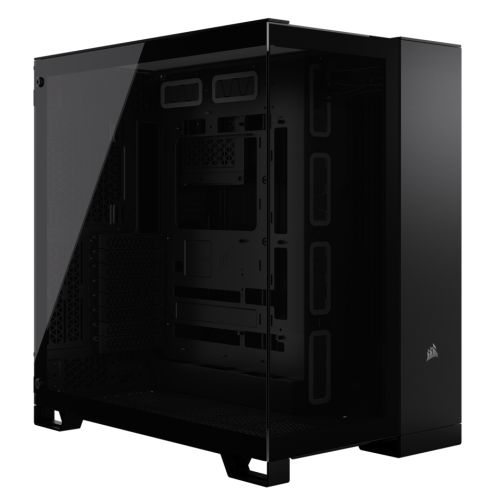
Hand-built in Wolverhampton in the Vida Solus mid-tower. Every cable managed, every component seated correctly, photographed in the workshop after the 24-hour stress test passes.
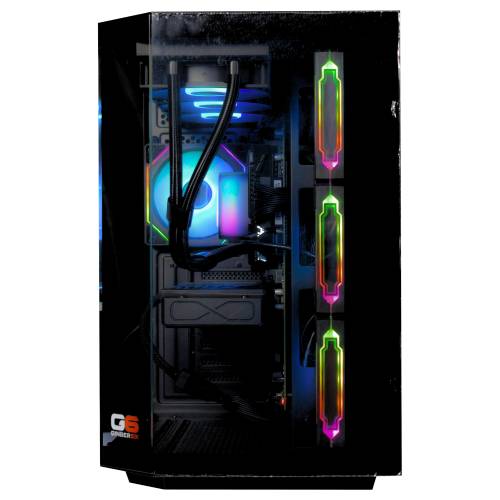
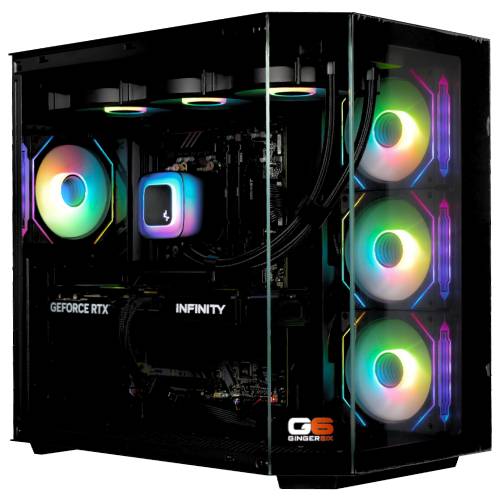
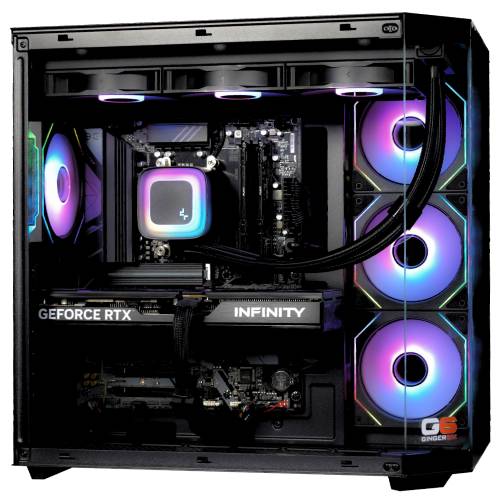
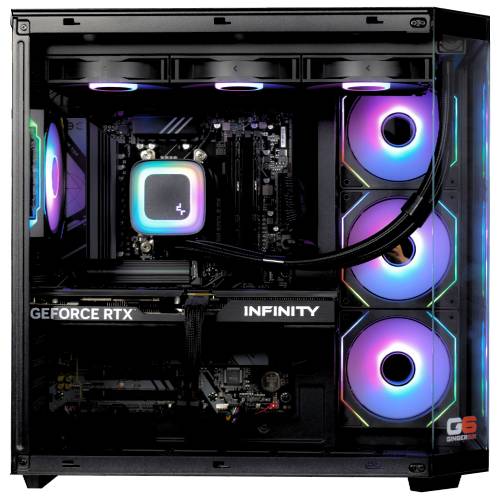
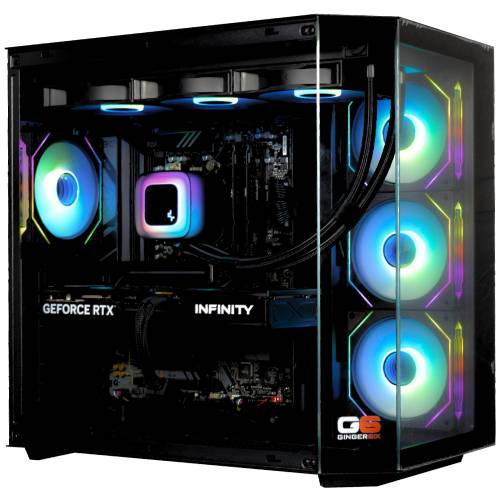
Every machine photographed in the workshop after the 24-hour stress test passes. Browse the full workshop process.
Cache, Not Clock Speed
Most CPU comparison charts show benchmark averages. The X3D advantage shows up in the chart you rarely see: the 1% low number. AMD's 3D V-Cache stacks 64MB of additional L3 directly underneath the 7800X3D's 8 cores, giving the package 96MB of L3 in total. Engines that spend a lot of time pulling world data, asset references, or physics calculations from memory hit that extra cache before they hit system RAM. The result is a measurable drop in stutter and a measurable lift in 1% lows in the games where this design pays back.
CS2 sees it in shader compilation and tick-rate consistency. Microsoft Flight Simulator 2024 sees it in scenery streaming over big cities. DCS World sees it in clickable cockpit modules with heavy state polling. Cities: Skylines 2 sees it once a city passes 100,000 residents. Helldivers 2 sees it in late-mission firefights with dozens of agents on screen. Path of Exile 2, Stellaris, and Total War battles all show the same pattern. The chip costs more than a stock Ryzen 7 of the same generation. In these specific workloads, the cache pays for itself in playable smoothness, not bar-chart wins.
If you mostly play single-player AAA at 4K, the X3D delta narrows. The build is still a strong choice for the Radeon GPU and the 32GB memory pool, but the cache lead matters less than the GPU does at that resolution. If you live in cache-sensitive titles, it is the part of the spec that defines the value of the Apex line.
An All-AMD 1440p Flagship Earning Its Place at 4K
The case for the Apex 3 Radeon at this tier rests on three comparisons. The first is the X3D platform against a standard Ryzen 7. The 7800X3D sits at the top of independent gaming-CPU charts in 2026 for cache-sensitive engines. A standard Ryzen 7 of the same generation costs less, and loses 10 to 25 percent on 1% lows in CS2, Microsoft Flight Simulator 2024, DCS World, Cities: Skylines 2, and Path of Exile 2. The second is the 7800X3D against the 9800X3D one tier up in the G6 Apex 4. The 9800X3D adds another 8 to 12 percent in those same workloads, but the lift comes at a noticeably higher build cost, and at 4K the GPU carries the heavier load. The third is the RX 9070 XT against the RTX 5070 in the G6 Apex 3 Nvidia. The Radeon card lands in the RTX 5070 Ti raster band with 16GB of GDDR6 on the bus. The 5070 sits one rung lower in raster and runs 12GB. For 4K Ultra textures in Cyberpunk 2077, Black Myth Wukong, and The Witcher 4, the texture pool spills on a 12GB card and the frame-time stutter follows. The Apex 3 Radeon removes the ceiling without paying the Apex 4 premium.
In a session, the spec mix shows up in moments specific enough to recognise. A 4-hour CS2 server rotation where the 1% low holds on Office or Mirage and the frame time stays inside the panel's refresh window. A long-haul MSFS 2024 flight from London Heathrow to JFK where the scenery streams over the city without the cache-bottleneck stutter older Ryzen 7 chips show on photogrammetry approaches. A first 4K High screenshot in Cyberpunk 2077 with FSR 4 quality engaged where the texture pool is the size you need it to be and the GPU is not the part holding the build back. A populated FiveM RP server holding above 60 fps when half the lobby is dropping into the 30s on a stock Ryzen 7. These are the moments a buyer at this tier has been thinking about for weeks before placing an order, and they are what the spec mix targets.
Tell Kevin:
- The games you play most often
- Your monitor resolution and refresh rate
- Whether you stream, record, or edit alongside gaming
- Your approximate budget
No charge for the conversation. No pressure to buy.
Who the G6 Apex 3 Radeon Is For
Four buyer profiles where the Apex 3 Radeon is the right answer. If your situation matches one of these, the build fits.
You spend most evenings in CS2, Valorant, or Apex Legends, and your weekend rotation includes Microsoft Flight Simulator 2024 or DCS. The 7800X3D is the chip designed for that crossover. Cache-sensitive engines lift their 1% lows on this CPU more than on any current Intel mainstream alternative, and the RX 9070 XT carries the GPU side at 1440p high refresh without breaking sweat. 32GB DDR5 absorbs the second-monitor stack and any recording or streaming you run alongside.
Your monitor is 1440p today, ideally with 4K on the upgrade horizon. The Apex 3 Radeon plays 1440p Ultra natively in every modern title and crosses into 4K High territory in Cyberpunk 2077, Black Myth Wukong, The Witcher 4, and Hogwarts Legacy with FSR 4 quality engaged. 16GB of VRAM is the ceiling spec that matters at 4K Ultra textures, 12GB cards begin to swap into system memory in modern open-world titles, and that frame-time stutter is what 16GB removes.
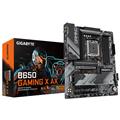
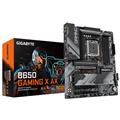
You prefer AMD's stack from CPU through to GPU, and you value the FSR upscaling story being native on the silicon end to end. The B650 Eagle AX motherboard, AM5 socket, RDNA 4 GPU, and FSR 4 quality upscaling all sit on the same vendor stack. AMD driver releases hit both halves of the build at the same time. The platform also leaves the upgrade door open: AM5 supports a future drop-in Ryzen 9 X3D when the 7800X3D no longer holds your top games at the 1% low you want.
The Apex 4 with the 9800X3D and the 5070 Ti adds path-traced ray-tracing performance and another 8 to 12 percent of cache-sensitive lift. If you mostly play in titles where path-tracing is not the workload, sim platforms, competitive shooters, modern raster open-world games, the Apex 3 Radeon delivers most of the flagship experience without the path-tracing premium. The remaining headroom on AM5 means a future Ryzen X3D upgrade closes the gap in two years for less than the cost of a new motherboard.
What Our Customers Say
Over 1,100 reviews on Trustpilot with a 93% five-star rating. The person who advises on your spec is the person who builds your Apex 3 Radeon and answers the phone after delivery. Read the reviews on Trustpilot directly, nothing here is curated.
Ginger 6 stepped in and saved my lads Christmas with an excellent product, going way past normal expectations. Since then we have used G6 to update and upgrade my lads gaming setup. Ginger 6 are always so accommodating and helpful, I trust their knowledge totally and they have never steered me wrong being flexible and competitively priced. I could not recommend this company enough.
Bought computers from here for a while and custom PCs always come highest quality. Gaming PC I bought from them 6 years ago was still going strong with one or two part replacements at the 5 year point until I got a newer one. Great choice and customer service.
Kevin went out of his way to patiently address each of my queries. The build was completed with care and an eye to attention. The cabling was neatly secured, even in places where you would not normally look. There just aren't any negatives.
Built by Hand in Wolverhampton
Every Apex 3 Radeon goes through the same three-stage workshop process. The 24-hour stress test is the gate that holds dispatch.
Before assembly begins, the configuration is reviewed against the games you play and the monitor you own. If you have spoken to Kevin, the build sheet reflects that conversation. Components are verified against current stock, the 360mm AIO orientation is confirmed for the Vida Solus case, and the build is queued in the workshop schedule. No shortcuts on stock substitution, the part on the order is the part in the build.
The Apex 3 Radeon is assembled inside the Vida Solus, the 360mm radiator mounts at the top with three intake fans drawing fresh air through the front mesh, and the RX 9070 XT is seated with the PCIe 5.0 anti-sag bracket secured so the 16GB GDDR6 modules and the two 8-pin power connectors clear the side-panel glass. The Radeon card draws more sustained power than the equivalent RTX 5070 in the Apex 3 Nvidia tier, so the front intake is sized for the higher TBP and the cable run behind the motherboard tray takes the high-current PCIe lines out of the airflow path. BIOS settings, DDR5 5200MHz, the AMD adrenalin driver with FSR 4 frame generation enabled, Wi-Fi 6E firmware, and Bluetooth 5.3 pairing are confirmed before the 24-hour test begins.
Every Apex 3 Radeon runs sustained CPU plus GPU load for a full day before it ships. The test loop is built around the all-AMD platform identity: an MSFS 2024 long-haul flight from London Heathrow to JFK with the X3D cache feeding the scenery, a 1440p Cyberpunk 2077 High loop with FSR 4 quality engaged to verify the RX 9070 XT 16GB texture pool holds at 1440p Ultra, and a 4K Black Myth Wukong High pass with FSR 4 frame generation so the texture spillover that catches 12GB cards is checked head-on. The 7800X3D is monitored for thermal headroom under the 360mm AIO. The RX 9070 XT is held at sustained RDNA 4 boost. Boost behaviour, fan curves, AIO pump speed, and storage performance are all logged before dispatch.
- Thermal behaviour under sustained load
- Processor and graphics stability during extended use
- Memory responsiveness and system stability
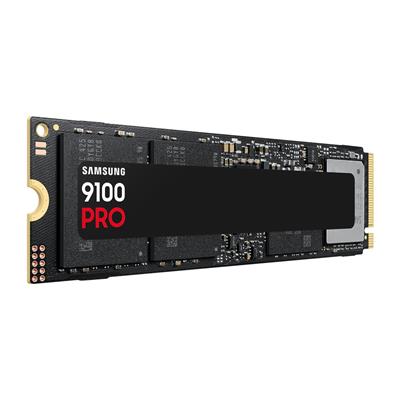
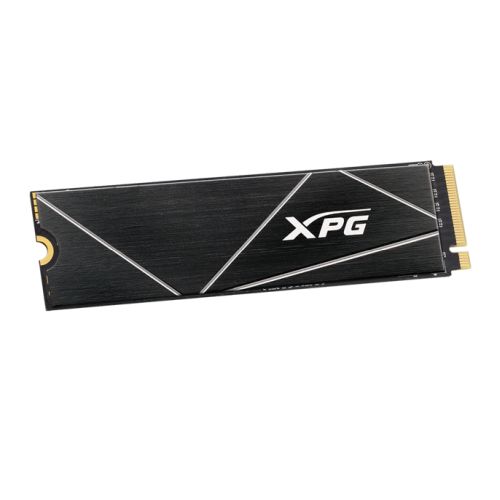
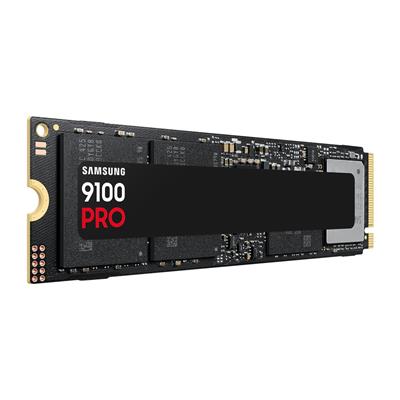
- Storage performance and consistency
- BIOS and firmware stability
- System stability under extended use
Where the G6 Apex 3 Radeon Sits in the Range
The six sibling tiers in the AMD Apex range, from the £1549 entry build to the £5399 ultimate. The Apex 3 Radeon, the page you are on, is the all-AMD mid-tier paired with the cache-heavy Ryzen 7 7800X3D and the 16GB RX 9070 XT for 1440p high-refresh and 4K-ready play.
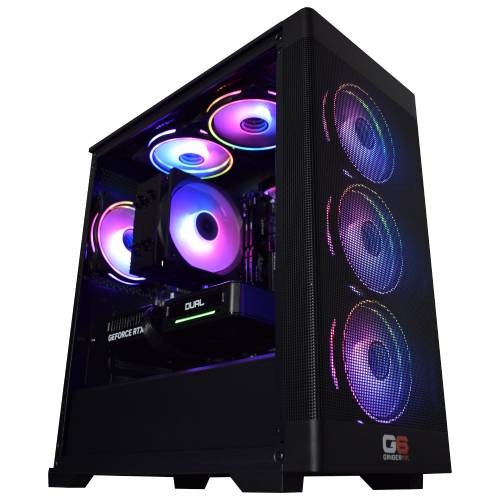
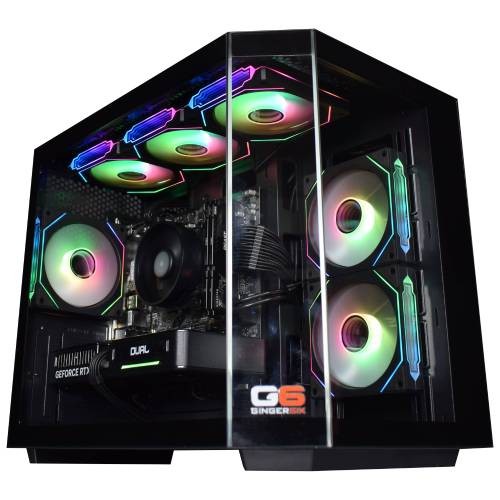

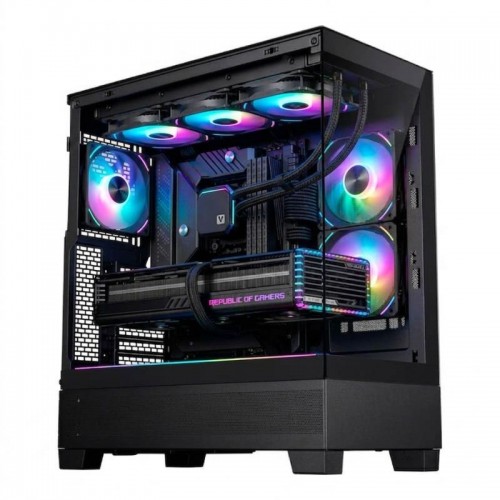
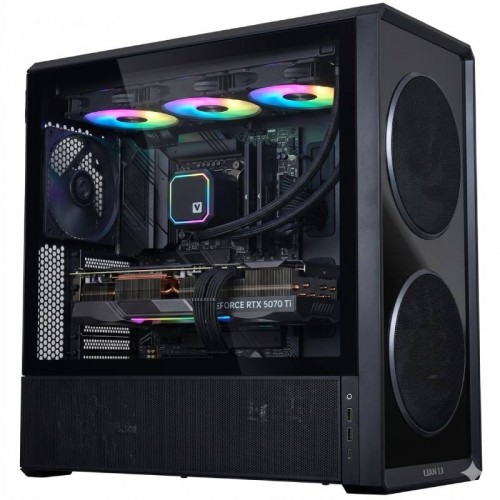
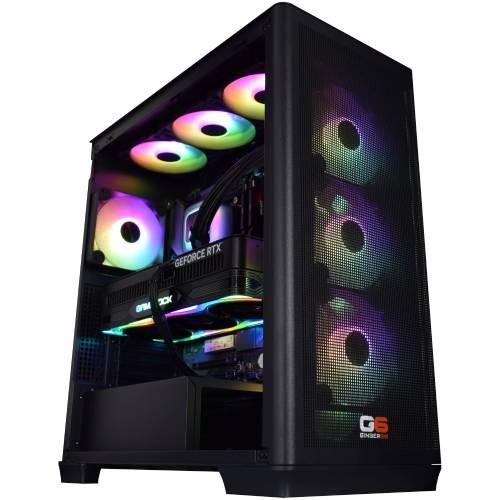
Browse the full custom PC builder for Intel and AMD configurations across the same workshop, the same 24-hour stress test, and the same 3-year warranty across every tier. Or jump back to the complete gaming PC catalogue for the full picture.
Questions About the G6 Apex 3 Radeon
Yes, in three specific ways. First, FSR 4 upscaling on RDNA 4 is now a first-class upscaler that matches DLSS 4 quality in the supported title list — and it ships natively on the RX 9070 XT silicon, not as a developer-implemented add-on. Second, AMD's driver release cadence hits both halves of the build (CPU AGESA and Radeon Adrenalin) on the same vendor stack, which reduces the cross-vendor configuration mismatches that crop up on Nvidia+AMD mixed builds. Third, the AM5 socket on the 7800X3D side leaves the upgrade door open to a future Ryzen 9 X3D drop-in. If your priority is the Nvidia software ecosystem (DLSS 4 frame generation, broader path-tracing support, NVENC for streaming), the Apex 3 Nvidia is the better match; if your priority is end-to-end AMD platform consistency plus the 16GB VRAM frame on the RX 9070 XT, the Apex 3 Radeon is the right buy.
4K High in modern open-world titles, yes, with FSR 4 quality engaged in the most demanding scenes. Cyberpunk 2077, Black Myth Wukong, The Witcher 4, and Hogwarts Legacy all sit in the 60-90 fps band at 4K High on the RX 9070 XT with FSR quality, and 16GB of GDDR6 holds the texture pool where 12GB cards begin to swap. Native 4K Ultra without upscaling is title-dependent, Baldur's Gate 3 holds above 60 fps native, Cyberpunk Path Tracing does not. If your priority is path-traced 4K Ultra without upscaling, the G6 Apex 4 with the RTX 5070 Ti is the build to compare against.
The decision sits on three axes. First, VRAM, the Apex 3 Radeon runs 16GB GDDR6 versus the Apex 3 Nvidia's 12GB on the RTX 5070; at 4K Ultra textures, the 16GB frame matters. Second, upscaling, FSR 4 on RDNA 4 versus DLSS 4 on Blackwell. Both look excellent at quality settings; DLSS has a wider supported-title list, FSR 4 is now competitive on the latest releases. Third, ray tracing, the RTX 5070 holds an edge in heavy ray-traced workloads. If your target is 4K High textures in modern open-world games, the Radeon is the fit. If your target is path-traced ray tracing in Cyberpunk and Indiana Jones at 1440p Ultra, the Apex 3 Nvidia is the better match.
Build time is 5 to 7 working days from order confirmation, including the full 24-hour stress test. Delivery is free, fully tracked, UK mainland. All-AMD builds tend to need a quick driver-stack sanity check at the workshop end before dispatch, which the 5-7 day window already covers. Call Kevin on 01902 714533 if you need the timeline aligned with a specific arrival date.
Yes. The Gigabyte B650 Eagle AX uses the AM5 socket, which AMD has confirmed support for through at least 2027. A Ryzen 9 X3D drop-in upgrade later in the platform lifecycle is the obvious path. The board carries a spare M.2 NVMe slot for storage expansion, the 32GB DDR5 has headroom to 96GB on this platform, and the 750W PSU sizes against the RX 9070 XT with margin for a future GPU swap. Kevin handles upgrades in the workshop, ship the machine to Wolverhampton when you are ready and he handles the swap, BIOS confirmation, and re-test before it goes back.
Yes. PayPal Pay in 3 splits the order across three interest-free instalments on builds over £500. Read more on the finance page. Longer-term finance options are available on the larger Apex builds; call Kevin if you want to talk through what fits your budget.
Ready to Configure Your G6 Apex 3 Radeon?
Use the options above or call Kevin on 01902 714533, he’ll talk through your monitor, the games you play, and whether the Apex 3 Radeon or stepping up to the Apex 4 is the right spec. The all-AMD X3D + RDNA 4 pairing on the Apex 3 Radeon is the part of the spec that defines value over a Ryzen + RX 9070 XT build at this price.
Want a different CPU, GPU, or case configuration? The full custom PC builder covers Intel and AMD platforms with the same workshop, the same 24-hour stress test, and the same warranty cover as the Apex range.
Custom Options
£2,383.62
£2,239.99
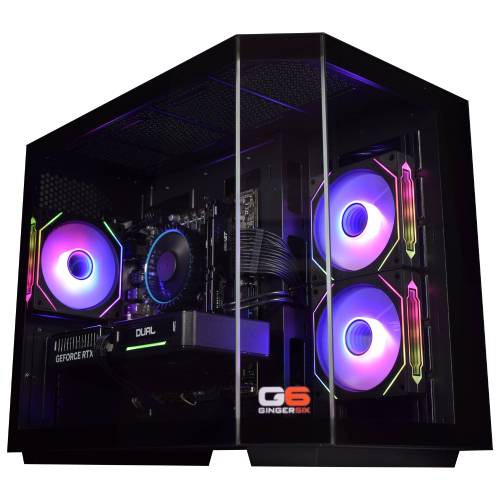
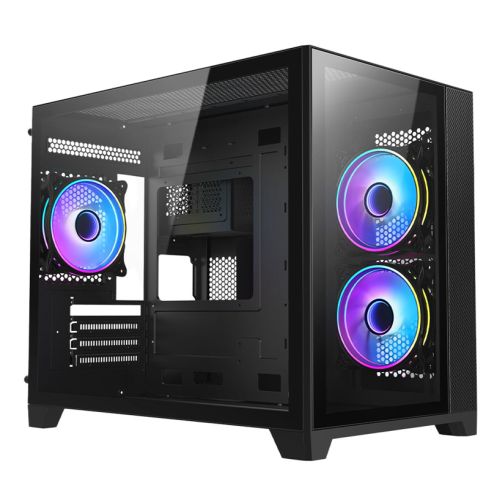




















































* Required Fields
Specifications
Additional Information
| Processor | AMD Ryzen 7 7800X3D |
|---|---|
| Processor Type | AMD Ryzen 7 |
| No of Cores | 8 |
| Max Core Speed | 5.00GHz |
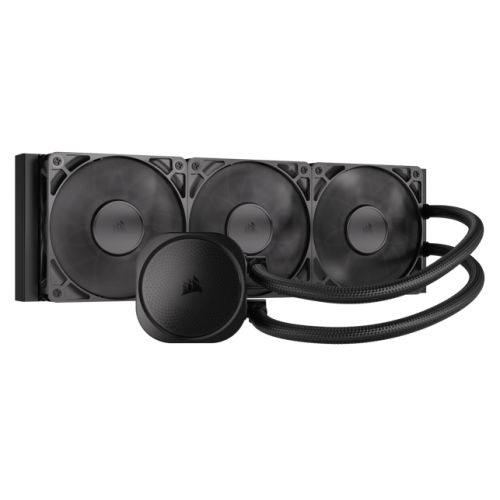
| CPU Cooler | 360mm ARGB AIO Liquid Cooler |
| Motherboard | Gigabyte B650 Eagle AX |
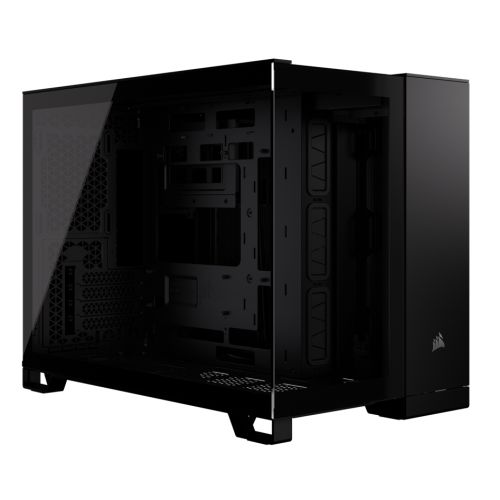
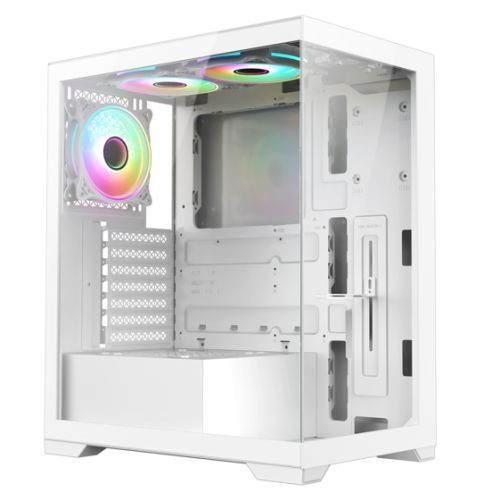
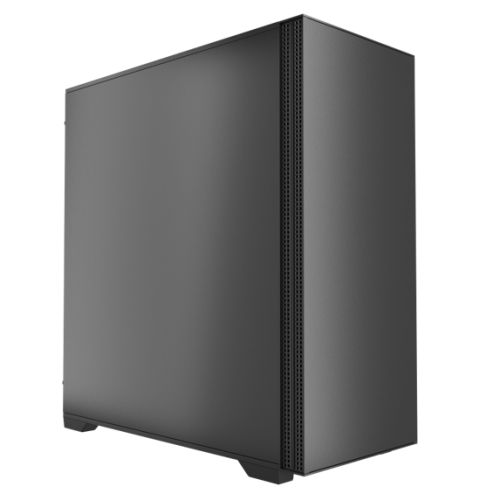
| Case | Vida Edge |
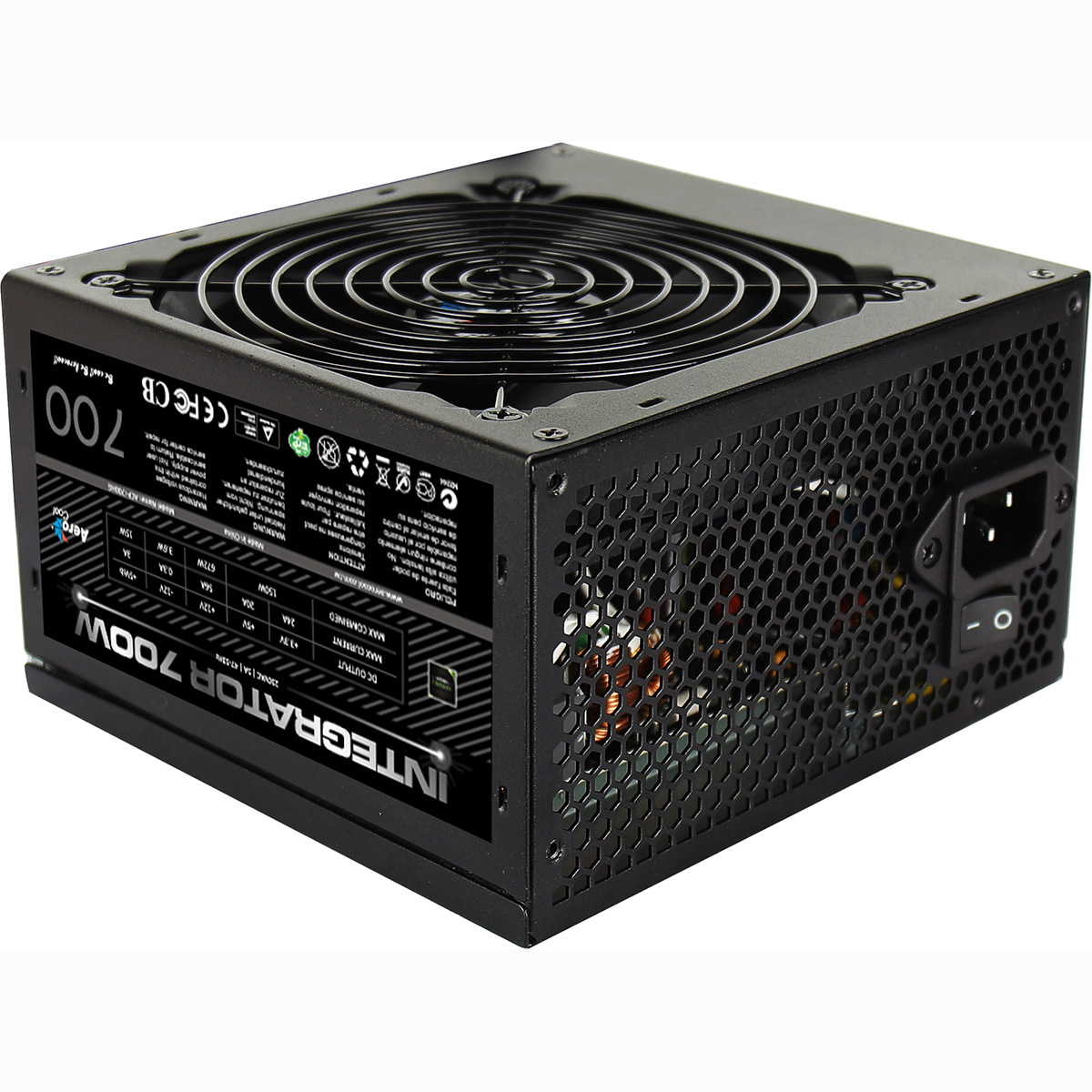
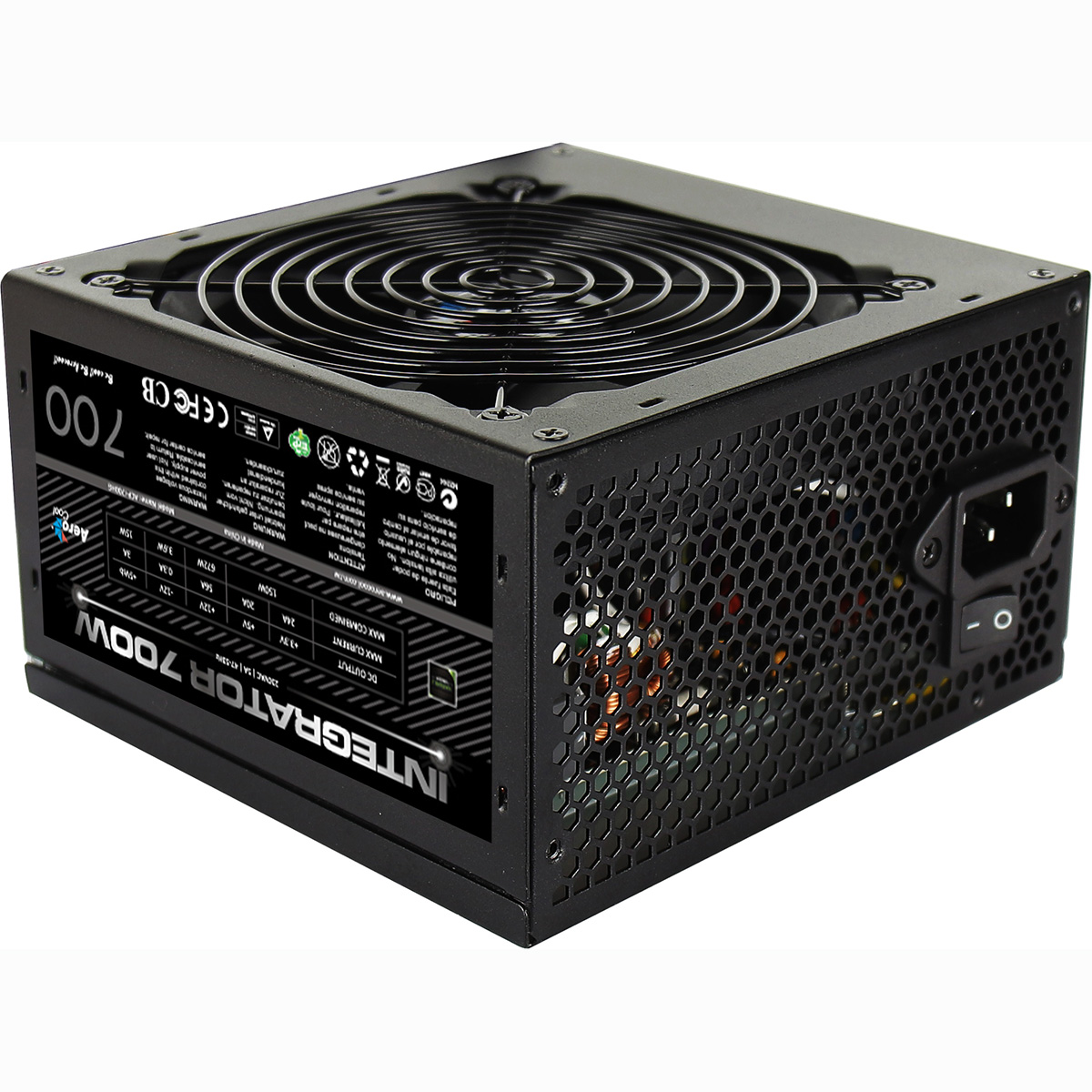
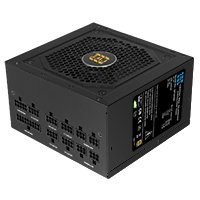
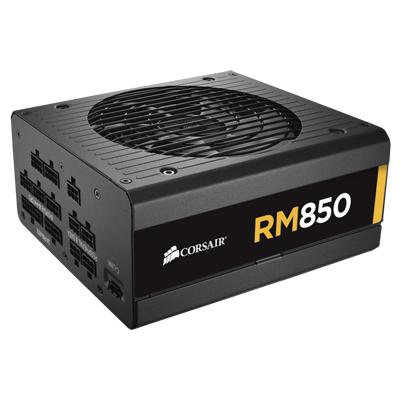
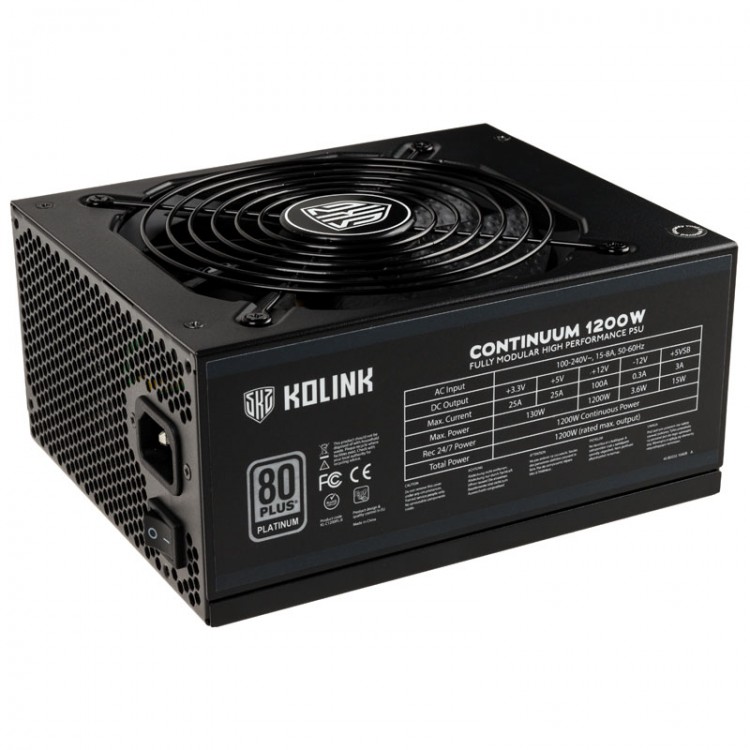
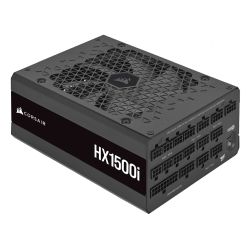
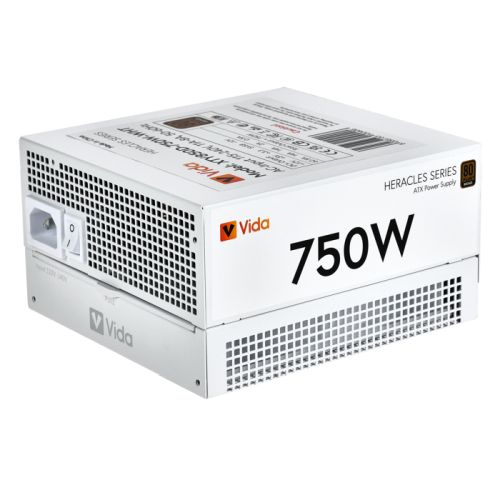
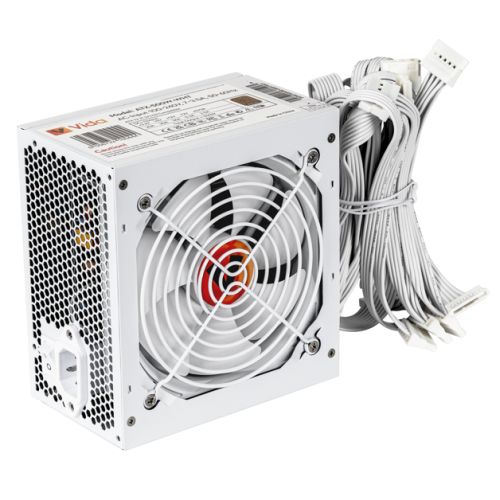
| Power Supply | 750w G6 80+ Bronze PSU |
| Memory Size | 32GB |
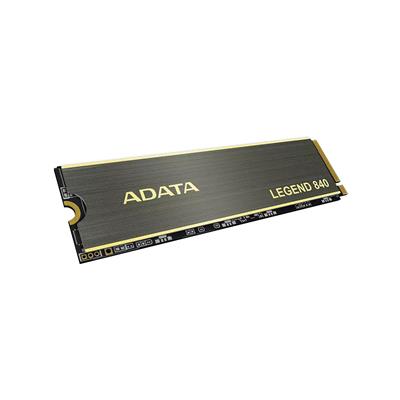
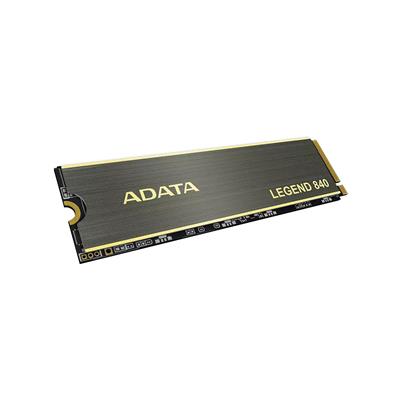
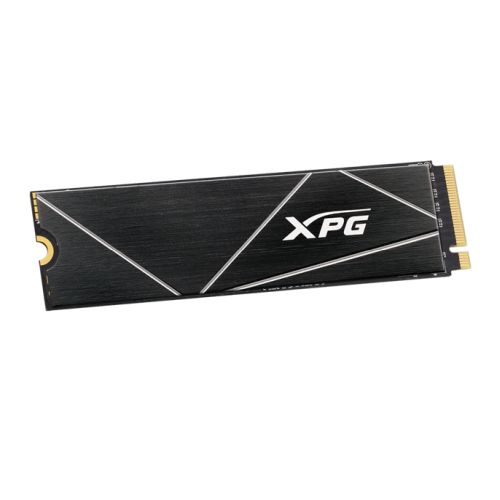
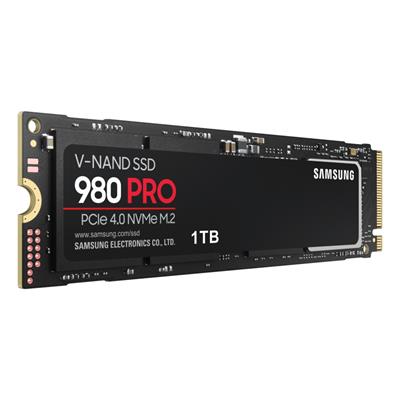
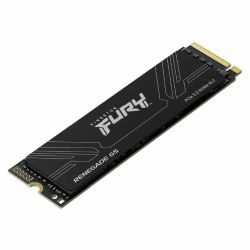
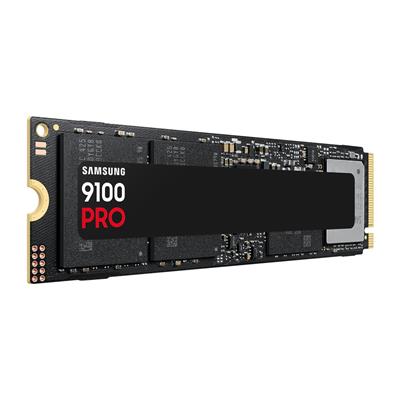
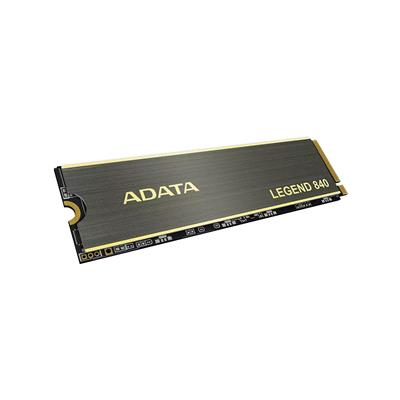
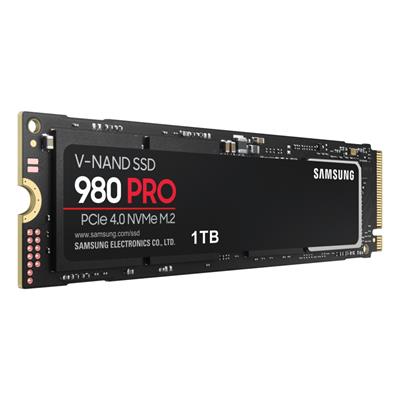
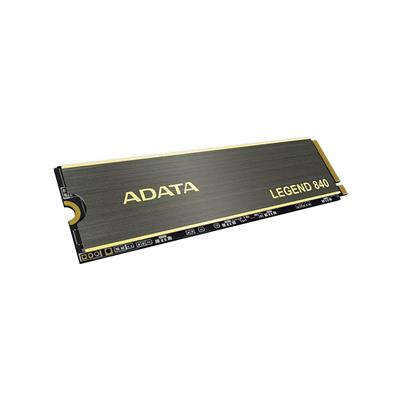
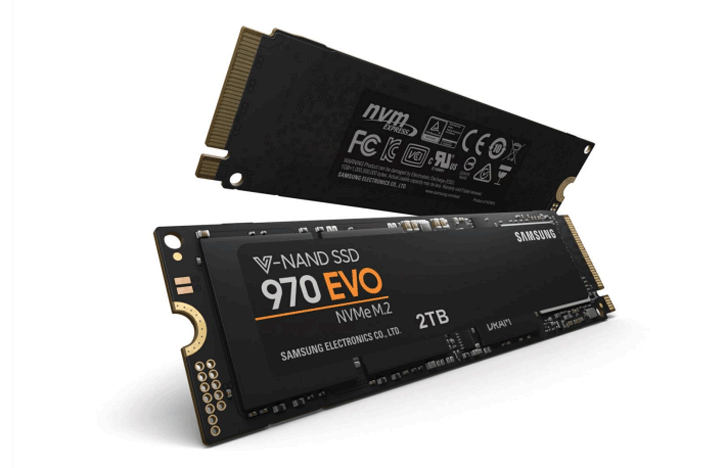
| Solid State Drive Size | 1TB |
| Graphics | AMD Radeon RX 9070 XT 16GB |
| Graphics Card Connections | Displayport (x3), HDMI |
| Audio | Realtek ALC887 8-channel high definition audio CODEC |
| LAN | 2.5GB LAN, Bluetooth, Wi-Fi 6 |
| Ethernet | Realtek GbE 1 Gbps |
| Wi-Fi | WiFi 6E (Realtek RTL8852CE rev1.0 / Intel AX210 rev1.1) |
| Bluetooth | 5.3 |
| Connections | Rear: 1x USB-C, 2x USB 3.2 Gen2, 6x USB 2.0 |
| Front Panel Connections | 1x USB-A 3.x, 2x USB-A 2.0, HD Audio/Mic combo jack |
| USB2 Ports | 8 |
| USB3 Ports | 3 |
| USB-C Ports | 1 |
| Operating System | Windows 11 Home |
| Monitors | Optional (See Custom Options) |
| Warranty | 3 Year Bronze Warranty |
Reviews
- Be the first to review this product