




AMD Ryzen 9 9950X3D Nvidia RTX 5090 Gaming PC - G6 Apex 6
Description
G6 Apex 6, the Ultimate Build with No Compromise Across Resolutions
The G6 Apex 6 pairs the Ryzen 9 9950X3D, AMD’s 16-core dual-CCD Zen 5 X3D flagship, with the GeForce RTX 5090 and 32GB of GDDR7, on top of a 64GB DDR5 memory pool. The result is a build that does not give ground anywhere: native 4K Ultra path tracing without leaning on the upscaler, high-resolution VR with Pimax Crystal Super and Bigscreen Beyond Ultra, AI inference workloads, 8K downsampling for content creation, and any modern AAA at maximum settings on any panel you own. Hand-built in Wolverhampton against the same process Ginger6 has run since 2001, the Apex 6 ships fully tested with a 3 year warranty and lifetime UK phone support.
Not certain whether the Apex 6 with the RTX 5090 fits your monitor and your workload, or whether the Apex 5 with the RTX 5080 covers what you actually do? Call Kevin on 01902 714533, he builds the machine, answers the phone, and gives a straight answer based on your setup, not a sales tier.
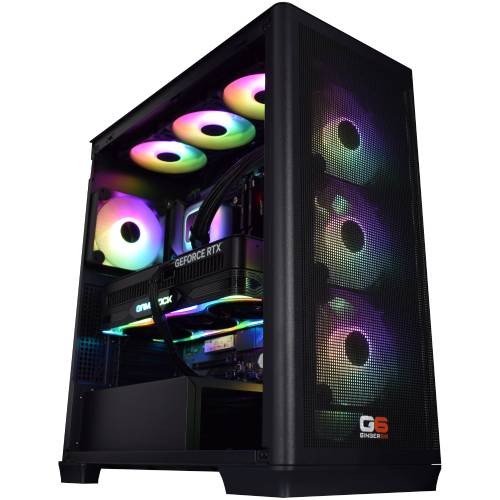
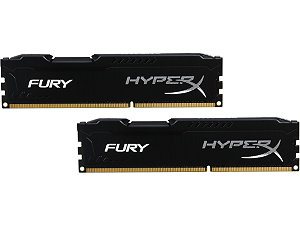
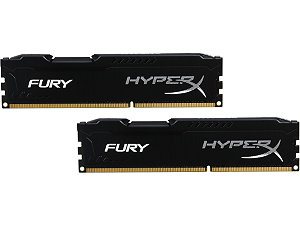
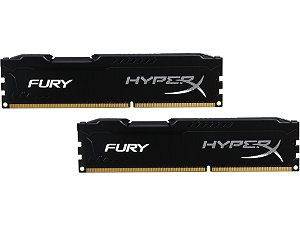
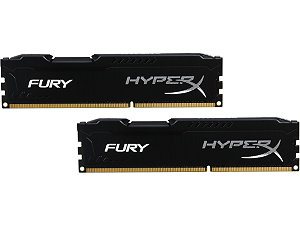
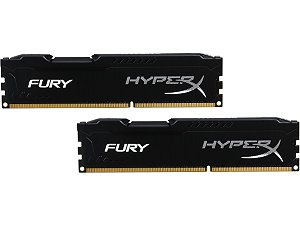
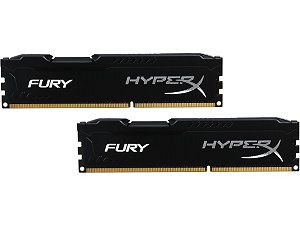
The 9950X3D is the workload-defining part on the CPU side. AMD’s dual-CCD Zen 5 layout puts 8 V-cache-enhanced cores on the first CCD with 96MB of L3 in reach, and a second standard 8-core CCD with 32MB of L3 for productivity workloads. 128MB total cache in the package. Windows scheduler routes games to the V-cache CCD automatically. 64GB of DDR5 5200MHz dual-channel memory (2x32GB sticks) is double the floor of the rest of the Apex range, sized for video editing 4K footage, large Blender scenes, AI inference, virtualisation, or simply the headroom modern workflows demand. The Apex 6 sits one rung above the G6 Apex 5 with the 9950X3D and RTX 5080, sharing the same 16-core flagship CPU but stepping the GPU to the 32GB RTX 5090 and the memory to 64GB. The RTX 5090 runs native 4K Ultra path tracing without DLSS upscaling in Cyberpunk 2077, Doom: The Dark Ages, Black Myth Wukong, and GTA VI when it ships. Browse the full gaming PCs range or compare configuration paths inside our custom PCs hub.
64GB. RTX 5090 32GB. Ryzen 9 16-Core X3D. No Ceiling.
Dual-CCD Zen 5 X3D. 32GB GDDR7. 64GB DDR5. Native 4K path traced. Built and tested in Wolverhampton.
What’s Inside the G6 Apex 6
Every component selected to remove the ceiling: native 4K Ultra path tracing without DLSS, high-resolution VR, AI workloads, 8K content creation. Dual-CCD Zen 5 X3D, 32GB GDDR7 on the GPU, 64GB DDR5 in the system pool.
Built to Remove Every Ceiling
Four decisions define the Apex 6. Each one removes a ceiling the rest of the Apex range still respects.
9950X3D, 16-core X3D no-compromise
Same 16-core dual-CCD layout as the Apex 5 — V-cache CCD for gaming, standard CCD for productivity, Windows scheduler routes the right threads to the right cores. What makes the Apex 6 different is everything around the CPU. The 9950X3D in this tier is the same chip you'd see in a high-end workstation but feeding an RTX 5090 frame buffer for VR and AI workloads no other Apex tier can support.
RTX 5090 32GB, native 4K path tracing
The 5090 is the only consumer GPU in 2026 that runs native 4K Ultra path tracing without leaning on DLSS upscaling in modern AAA. 32GB of GDDR7 on a 512-bit bus is the only consumer VRAM frame sized for high-resolution VR (Pimax Crystal Super, Bigscreen Beyond Ultra), 8K downsampling for content creation, and AI inference workloads at scale. The Apex 6 is the build where the GPU choice removes the ceiling on every workload above it.
64GB DDR5 5200MHz, double the floor
Every other Apex tier ships 32GB. The Apex 6 doubles it to 64GB at 5200MHz. The headroom matters for 4K and 8K video editing, large Blender scenes, AI inference workloads concurrent with gaming, virtual machines for development and testing, and large Lightroom catalogues. The X870 EAGLE WIFI7 platform supports up to 192GB if the workload escalates further — most Apex 6 buyers stay at 64 for years.
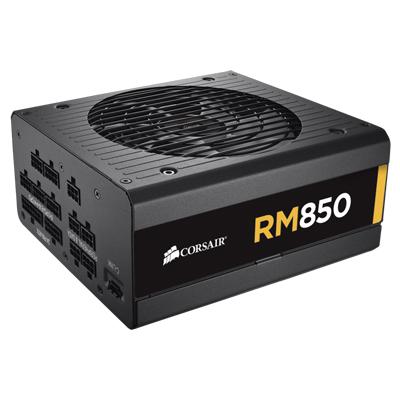
Corsair 1000W RM1000e Gold for the sustained load
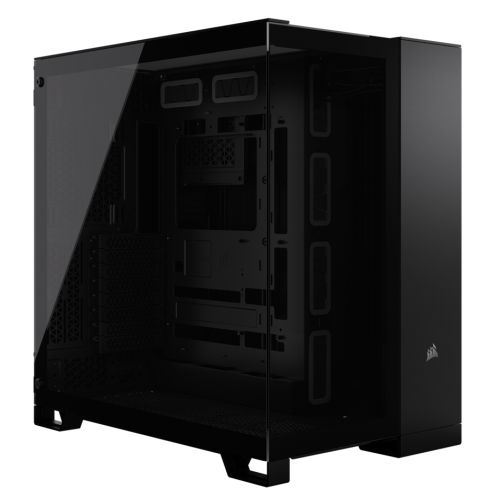
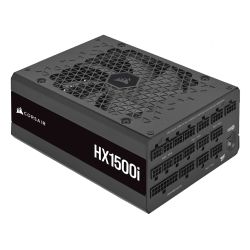
The RTX 5090 board power plus the 9950X3D under full 16-core load needs power and cooling sized for the workload. A Corsair 1000W RM1000e 80+ Gold Full Modular PSU runs efficient under that draw — full-modular cabling keeps the airflow path clean in the APNX C1 chassis, and the Gold efficiency rating runs the system cooler at sustained draw. Pair with the finance options to spread the cost.
What the G6 Apex 6 Plays
Native 4K Ultra path tracing without upscaling. High-resolution VR. 8K downsampled for content capture. Modern AAA at maximum settings on any panel. The Apex 6 is the build that does not give ground.






Figures are estimates based on benchmarks at . Actual performance depends on settings, drivers, and system configuration. DLSS 4 quality and frame generation available in supported titles on the RTX 5090.
The G6 Apex 6, Photographed Front to Back
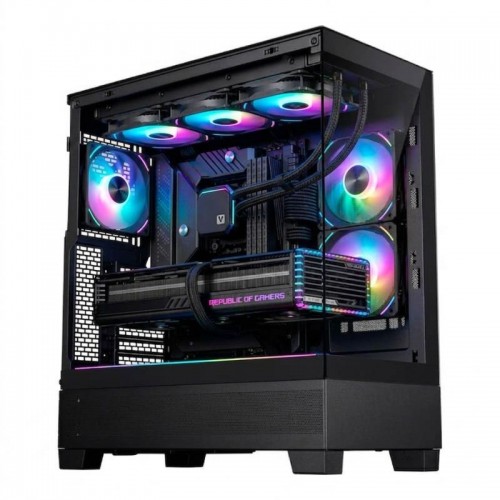
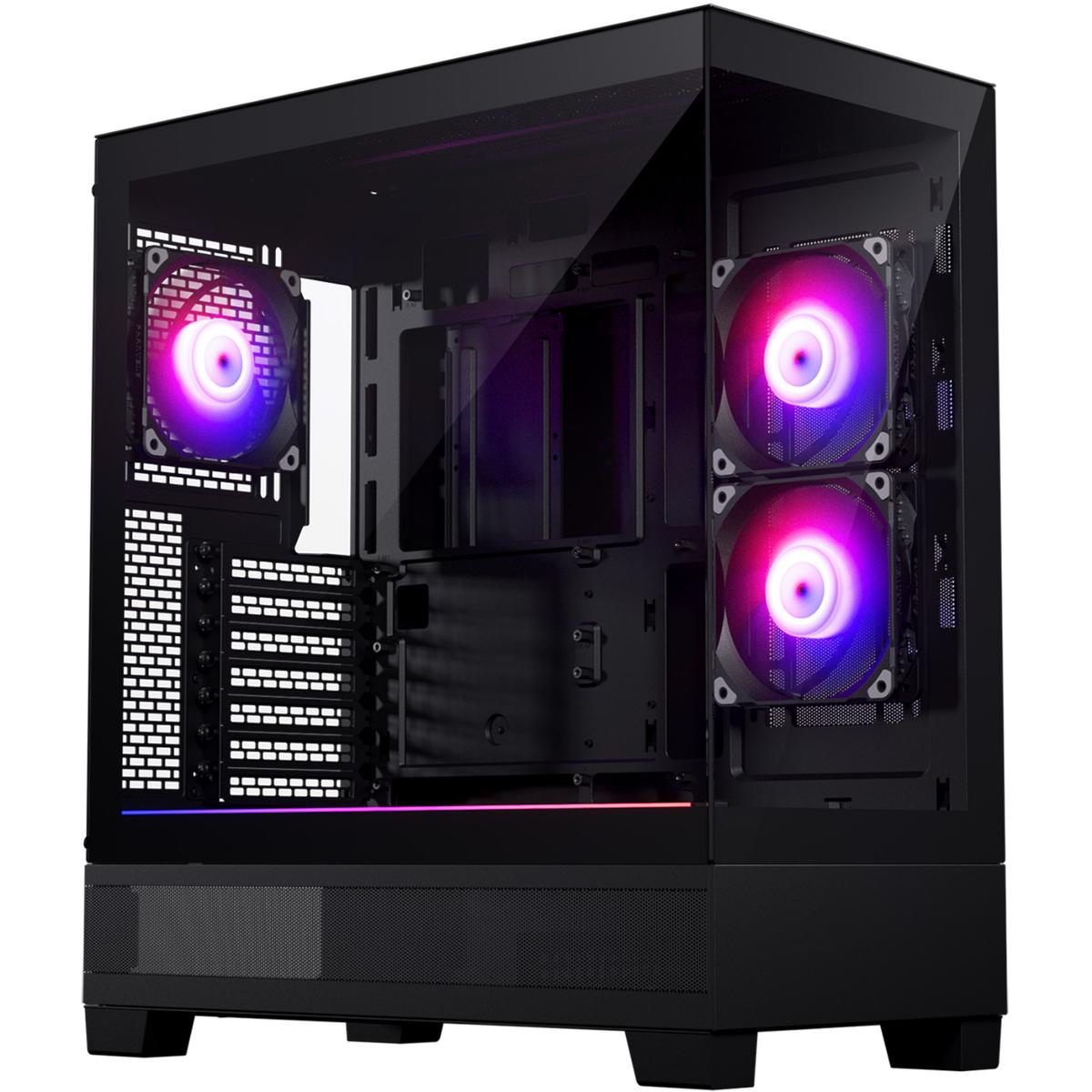
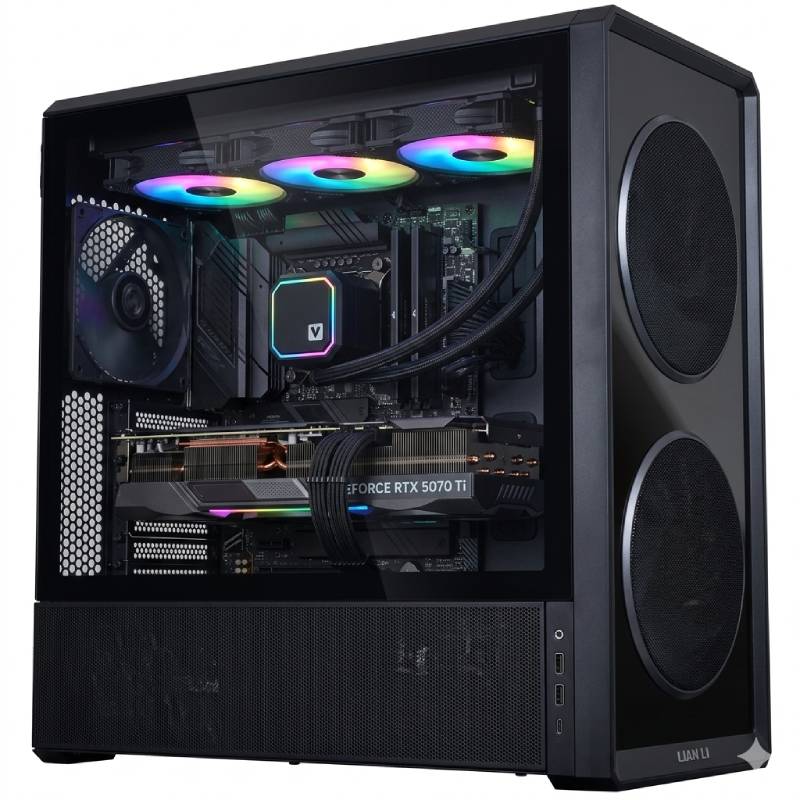
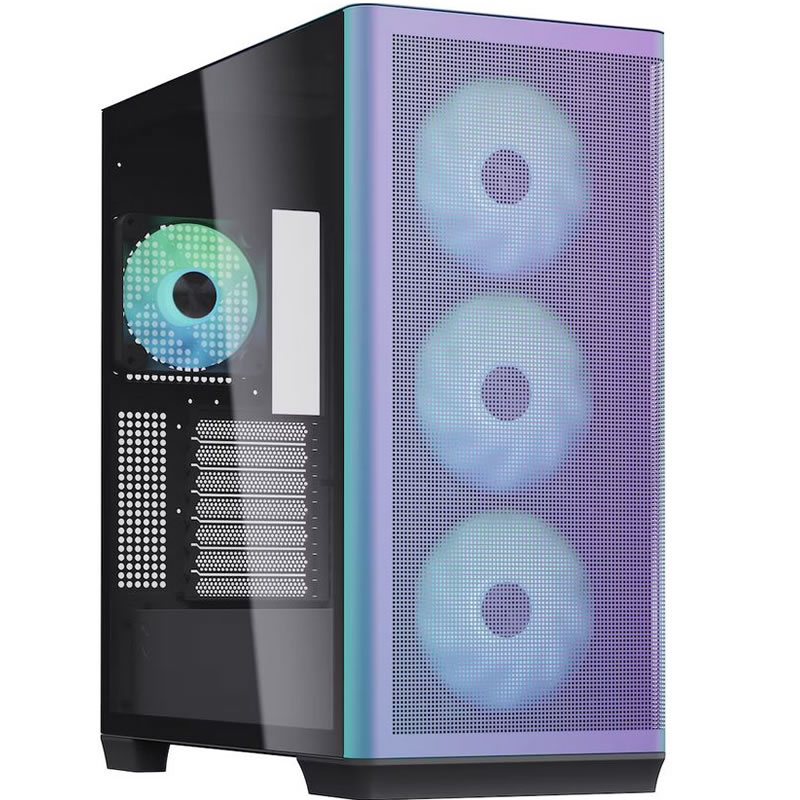
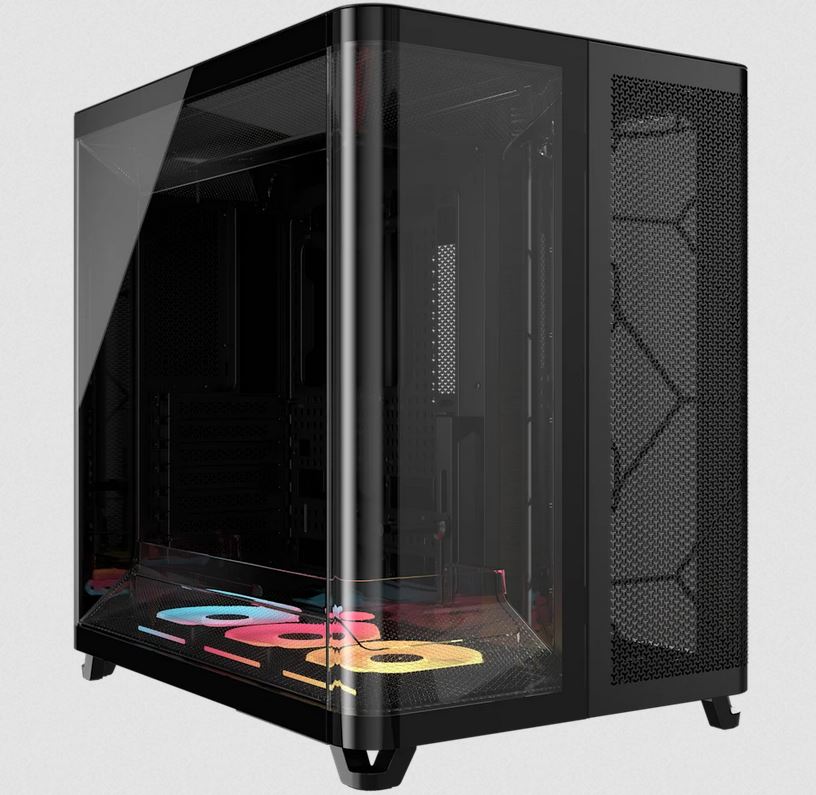
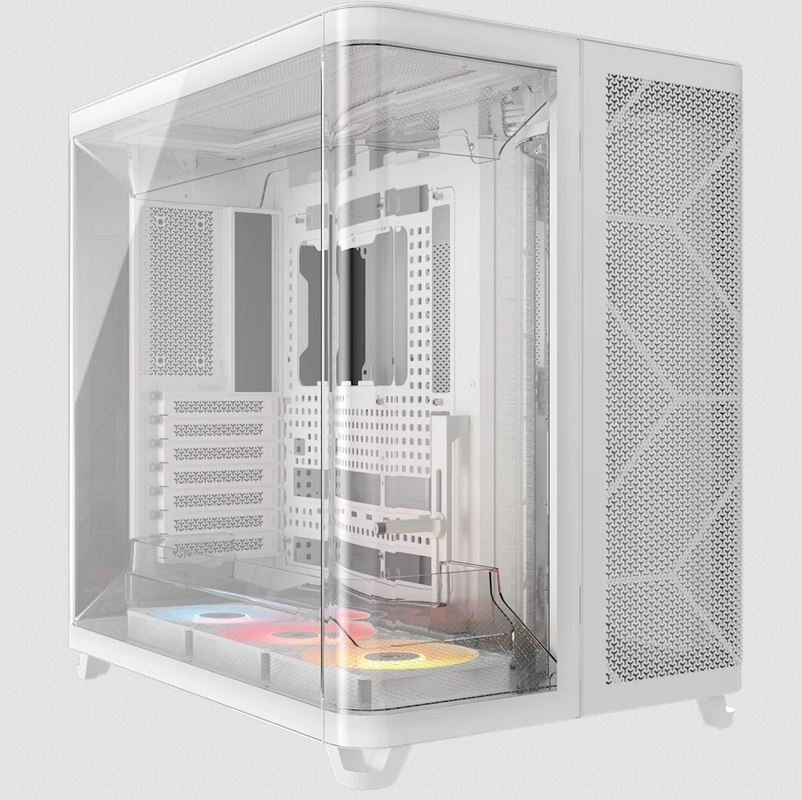
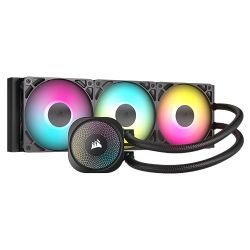
Hand-built in Wolverhampton in the APNX C1 with rain-effect ARGB cooling. Every cable managed, every component seated correctly, photographed in the workshop after the 24-hour stress test passes.
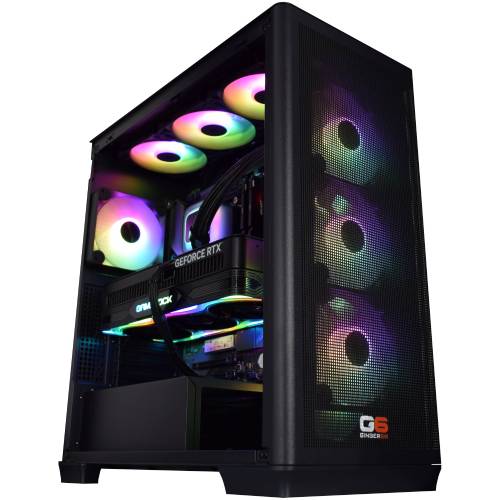

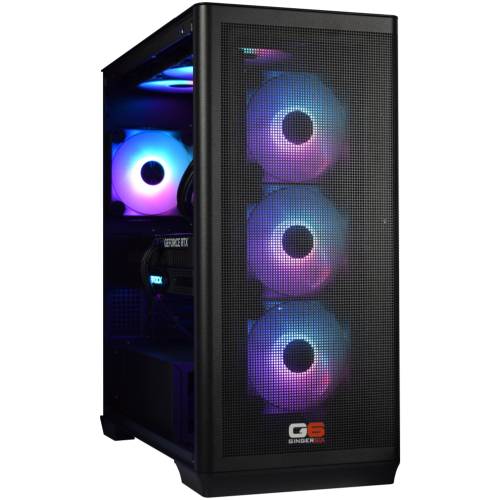
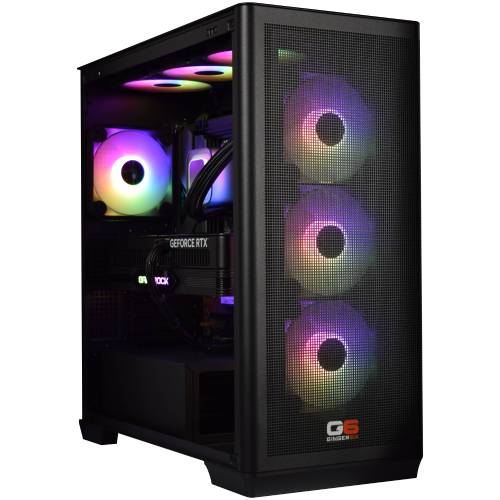
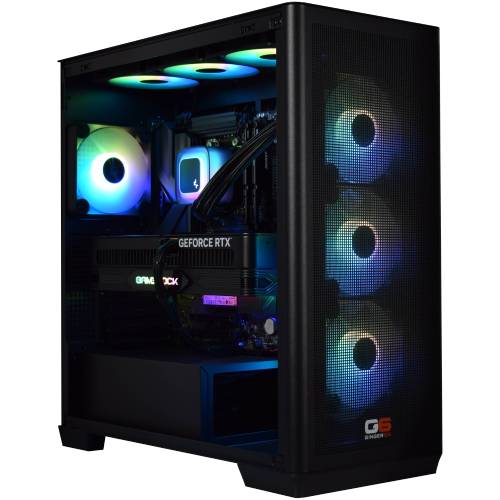
Every machine photographed in the workshop after the 24-hour stress test passes. Browse the full workshop process.
Cache and Cores, Without Compromise
The 9950X3D is AMD's answer to the trade-off the X3D line used to force: more cache, fewer cores, or more cores, less cache. The dual-CCD layout puts both halves of that trade-off on the same package. CCD 1 carries 8 Zen 5 cores with the 64MB V-cache layer underneath, giving them 96MB of L3 in reach, the same cache footprint that puts the 9800X3D at the top of independent gaming charts. CCD 2 carries another 8 Zen 5 cores with 32MB of standard L3, sized for productivity throughput.
Windows scheduler routes games to the V-cache CCD automatically. When you launch CS2, Microsoft Flight Simulator 2024, or Cyberpunk 2077, the engine threads land on cores 0 through 7 with the V-cache. When you encode a video in Premiere, render a Blender scene, or run AI inference, the workload spreads across all 16 cores. Both halves of the chip work together, the gaming frame is the X3D frame, the productivity frame is the 16-core frame.
Cache-sensitive gaming engines, CS2, MSFS 2024, DCS World, Cities: Skylines 2, Path of Exile 2, Helldivers 2, Stellaris, all see the same 1% low advantage the 9800X3D shows over the 7800X3D. The Apex 6’s frame is identical to the Apex 5’s on the gaming-CPU side, since both share the same 9950X3D. What separates the Apex 6 from the Apex 5 is the GPU and memory ceiling above the CPU: 32GB GDDR7 on the RTX 5090, 64GB DDR5 in the system pool, the spec that removes any remaining ceiling for VR, 8K, and AI workloads.
No-Compromise Across Every Resolution, Every Setting, Every Workload
The case for the Apex 6 at this tier rests on three things the rest of the Apex range cannot offer at once. The first is native 4K Ultra path tracing without DLSS upscaling. The RTX 5080 in the Apex 5 needs DLSS quality and frame generation to hold the 4K path-traced frame; the 5090 runs the same workload native. The second is high-resolution VR: the Pimax Crystal Super, the Bigscreen Beyond Ultra, and the next generation of XR headsets all push pixel counts the 5080 cannot feed at the refresh rates VR needs. The 5090’s 32GB VRAM and 512-bit bus is the frame sized for that workload today. The third is the 64GB memory pool: AI inference at scale, large Blender scenes, 4K and 8K video editing in Premiere or Resolve, virtual machines for development or testing, all benefit from a memory ceiling well above the 32GB the rest of the range ships with.
In a session, the spec mix shows up in moments specific enough to recognise. The first 4K Cyberpunk path-tracing screenshot with no upscaler running, where Phantom Liberty’s neon reflections render at native resolution above 70 fps. A long Pimax Crystal Super flight in MSFS 2024 where the headset renders both eyes at the full panel pixel count and the V-cache CCD feeds the simulator without giving ground. A Premiere Pro export of a 4K timeline that completes while the gaming session is still running on the second monitor without either workload showing the strain. A Stable Diffusion or Flux batch inference workload running on the second CCD and the 5090’s VRAM while the V-cache CCD is busy in a Helldivers 2 firefight. These are the moments the buyer at this tier has been planning for, and they are what the spec mix targets.
Tell Kevin:
- The games you play most often
- Your monitor, VR headset, or panel mix
- Whether you stream, record, edit, render, or run AI workloads
- Your approximate budget
No charge for the conversation. No pressure to buy.
Who the G6 Apex 6 Is For
Four buyer profiles where the Apex 6 is the right answer. If your situation matches one of these, the build fits.
Your monitor is 4K, and you want path tracing engaged in Cyberpunk 2077, Alan Wake 2, Black Myth Wukong, and Indiana Jones at native 4K rather than at DLSS-quality 4K. The RTX 5090 is the only consumer GPU in 2026 that holds that frame. The 9950X3D’s V-cache CCD keeps the CPU side ahead of the workload, and 32GB GDDR7 carries the 4K texture pool with headroom.
You own a Pimax Crystal Super, a Bigscreen Beyond Ultra, or the next generation of high-resolution XR headsets, and you play DCS World, Microsoft Flight Simulator 2024, iRacing, Half-Life: Alyx, or full-fidelity VR cockpit sims. The pixel count VR pushes at this generation is what the 5090’s 32GB VRAM and the 512-bit bus exist for; the 5080 cannot feed those headsets at the refresh rates VR demands.
You play AAA at 4K Ultra, and your other work is 4K or 8K video editing in Premiere or Resolve, Blender renders with large scenes, AI inference at scale, Photoshop with large composite stacks, or virtual machines for development and testing. The 64GB memory pool, the 32GB GPU VRAM, and the 16-core CPU are the headroom modern workflows demand; 32GB and 16GB VRAM in the Apex 5 covers the typical creator, the Apex 6 covers the workload mix where 32GB system memory becomes the constraint.
You are buying for the long term, and you want a machine where the answer to the next demanding workload, GTA VI on launch day, the next path-traced AAA, the next high-resolution VR headset, an AI workload that does not exist yet, is “the machine handles it” rather than “the machine needs an upgrade.” The Apex 6 is the build sized for that horizon, and the AM5 socket plus the X870 EAGLE WIFI7 board keeps the upgrade door open beyond that.
What Our Customers Say
Over 1,100 reviews on Trustpilot with a 93% five-star rating. The person who advises on your spec is the person who builds your Apex 6 and answers the phone after delivery. Read the reviews on Trustpilot directly, nothing here is curated.
I have purchased two different systems from Ginger6. One a games machine for my son and the other a desktop for myself. Both came as described, no hassle and prompt as soon as payment was received. I would gladly use this company again when the need arises.
2nd PC I have purchased from Ginger6, price was fair, excellently built and speedy delivery.
I would happily recommend Ginger6. On top of reasonable pricing, and a quality product delivered at a short time scale there was excellent communications and friendly impartial professional advice. Thank you.
Built by Hand in Wolverhampton
Every Apex 6 goes through the same three-stage workshop process. The 24-hour stress test is the gate that holds dispatch.
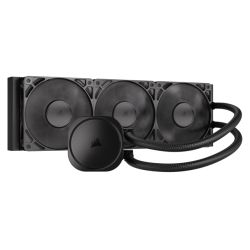
Before assembly begins, the configuration is reviewed against the games you play, the monitor or VR headset you own, and any creative or AI workload you run alongside. If you have spoken to Kevin, the build sheet reflects that conversation. Components are verified against current stock, the 360mm AIO orientation is confirmed for the APNX C1 case, and the build is queued in the workshop schedule. No shortcuts on stock substitution, the part on the order is the part in the build.
The Apex 6 is assembled inside the APNX C1 chassis with the rain-effect ARGB fans set as the front intake. The 360mm radiator mounts at the top, and the RTX 5090 is seated with the PCIe 5.0 anti-sag bracket secured so the 32GB GDDR7 modules and the dual 12V-2x6 power inputs sit clear of the side-panel glass. The Corsair 1000W RM1000e PSU has its 12V-2x6 cable sleeved through the cable shroud and away from the front intake, the bend radius on the GPU end is checked to spec, and the cable lock is verified. The 9950X3D's dual-CCD scheduler policy is set so games land on the V-cache CCD while productivity threads spread across all 16. BIOS settings, DDR5 5200MHz, Wi-Fi 7 firmware, and Bluetooth 5.4 pairing are confirmed before the 24-hour test begins.
Every Apex 6 runs sustained CPU plus GPU load for a full day before it ships. The test loop covers the no-compromise workload mix the buyer is paying for: a native 4K Cyberpunk 2077 path-tracing pass without DLSS upscaling so the RTX 5090’s headroom is verified against the workload the 5080 cannot match; a Stable Diffusion XL batch on the 5090’s 32GB VRAM running concurrently with a Premiere Pro 4K timeline scrub on the second monitor to validate the 64GB system RAM and dual-CCD scheduler routing; and an MSFS 2024 long-haul flight with the 9950X3D's V-cache CCD feeding the sim while a Pimax Crystal Super VR rendering target is held at the headset’s native pixel count. The 9950X3D is monitored for thermal headroom across all 16 cores; the RTX 5090 is held at sustained Blackwell boost with the 1000W RM1000e PSU running well within its efficiency band. Boost behaviour, fan curves, AIO pump speed, and storage performance are all logged before dispatch.
- Thermal behaviour under sustained load
- Processor and graphics stability during extended use
- Memory responsiveness and system stability
- Storage performance and consistency
- BIOS and firmware stability
- System stability under extended use
Where the G6 Apex 6 Sits in the Range
The six sibling tiers below the Apex 6 in the AMD Apex range, from the £1549 starter to the £3279 flagship. The Apex 6, the page you are on, is the ultimate no-compromise build paired with the 16-core Ryzen 9 9950X3D and the 32GB RTX 5090.
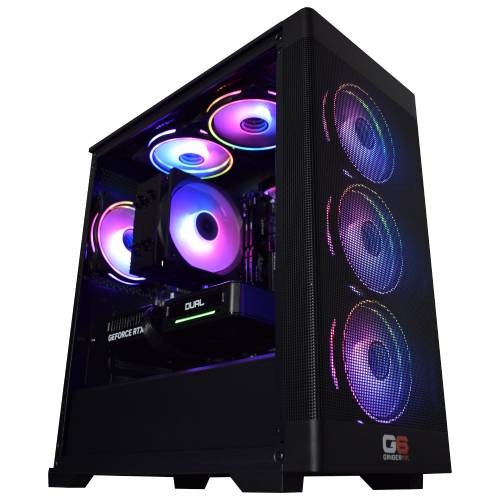
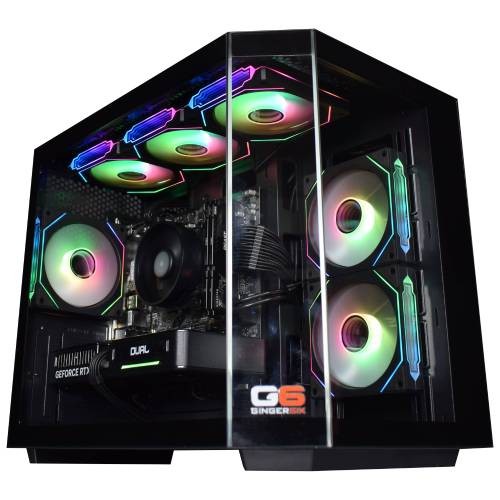

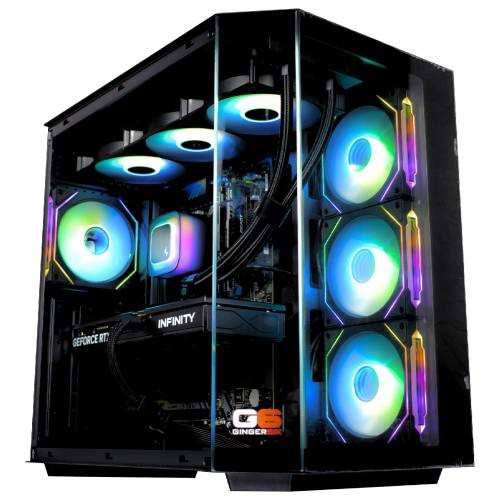
Browse the full custom PC builder for Intel and AMD configurations across the same workshop, the same 24-hour stress test, and the
Questions About the G6 Apex 6
If your workload includes native 4K path tracing without leaning on DLSS, high-resolution VR (Pimax Crystal Super, Bigscreen Beyond Ultra), 8K downsampled content creation, or AI inference at scale, yes. The 5090 doubles the VRAM frame to 32GB and adds around 30 to 40 percent in raster and ray-tracing throughput over the 5080. If your target is 4K Ultra path tracing with DLSS 4 quality engaged, the Apex 5 with the RTX 5080 is enough, and the price gap to the Apex 6 is real money. The Apex 6 earns its premium on the workloads the 5080 cannot reach.
Yes, the build is sized for the Pimax Crystal Super, the Bigscreen Beyond Ultra, and the next generation of high-pixel-count XR headsets. The 5090’s 32GB GDDR7 on a 512-bit bus is the only consumer VRAM frame that feeds those headsets at the refresh rates VR demands in DCS World, Microsoft Flight Simulator 2024, iRacing, Assetto Corsa Competizione, Half-Life: Alyx, and the rest of the VR catalogue. The 9950X3D’s V-cache CCD carries the CPU side of the simulation workload.
Both share the 9950X3D, so the gaming-CPU side is identical. The decision sits on the GPU and memory ceiling. If your monitor is a single 4K panel and your workload is 4K Ultra path-traced gaming with DLSS quality engaged plus typical content creation, the Apex 5 with the RTX 5080 covers it for less money. If you want native 4K path tracing, high-resolution VR, 8K downsampling, AI inference at scale, or simply no ceiling on the machine you build today, the Apex 6 is the right buy.
Build time is 5 to 7 working days from order confirmation, including the full 24-hour stress test. Delivery is free to UK mainland addresses with a signature-required service appropriate to the £5k+ value of the build. Apex 6 buyers tend to want the build aligned with a specific window (workspace install, VR headset arrival, AI workload onboarding); call Kevin on 01902 714533 before you order so he can sequence it personally.
Yes. The Gigabyte X870 EAGLE WIFI7 uses the AM5 socket, supported through at least 2027, with the next-generation X3D drop-in upgrade as the future path. The Corsair 1000W RM1000e 80+ Gold Full Modular PSU runs the RTX 5090 and the 9950X3D with margin in hand. Kevin handles upgrades in the workshop personally for flagship-tier builds.
Yes. PayPal Pay in 3 splits part of the order across three interest-free instalments — on a flagship Apex 6 build that means a substantial split rather than the full amount up front. Read more on the finance page. For an Apex 6 specifically, longer-term finance is the more typical path; call Kevin on 01902 714533 to confirm what fits before ordering.
Ready to Configure Your G6 Apex 6?
Use the options above or call Kevin on 01902 714533, he’ll talk through your monitor, your VR headset, your creative or AI workload, and whether the Apex 6 or the Apex 5 with the RTX 5080 is the right spec for what you actually do. An Apex 6 is a £5k+ no-compromise build; the workshop signs it off personally, dispatches it under a signature-required service, and supports it for the life of the machine. That standard of support is the point of buying at this tier rather than a self-build or scale builder.
Want a different CPU, GPU, or case configuration? The full custom PC builder covers Intel and AMD platforms with the same workshop, the same 24-hour stress test, and the same warranty cover as the Apex range.
Custom Options
£6,272.40
£5,889.99
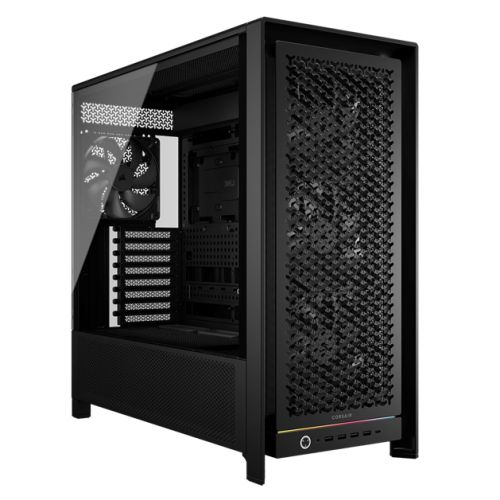
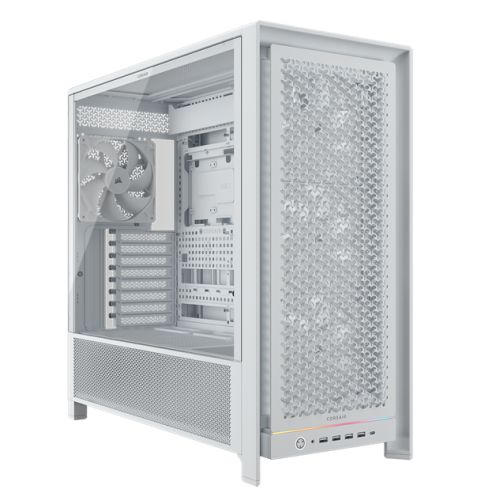

































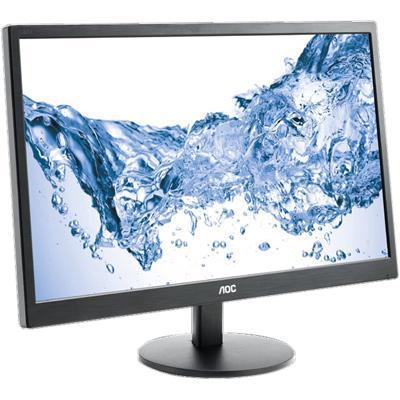







* Required Fields
Specifications
Additional Information
| Processor | AMD Ryzen 9 9950X3D |
|---|---|
| Processor Type | AMD Ryzen 9 |
| No of Cores | 16 |
| Max Core Speed | 5.70GHz |
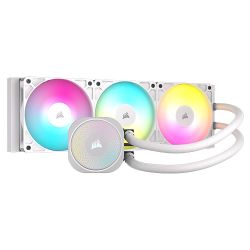
| CPU Cooler | 360mm ARGB AIO Liquid Cooler |
| Motherboard | Gigabyte X870 EAGLE WIFI7 |
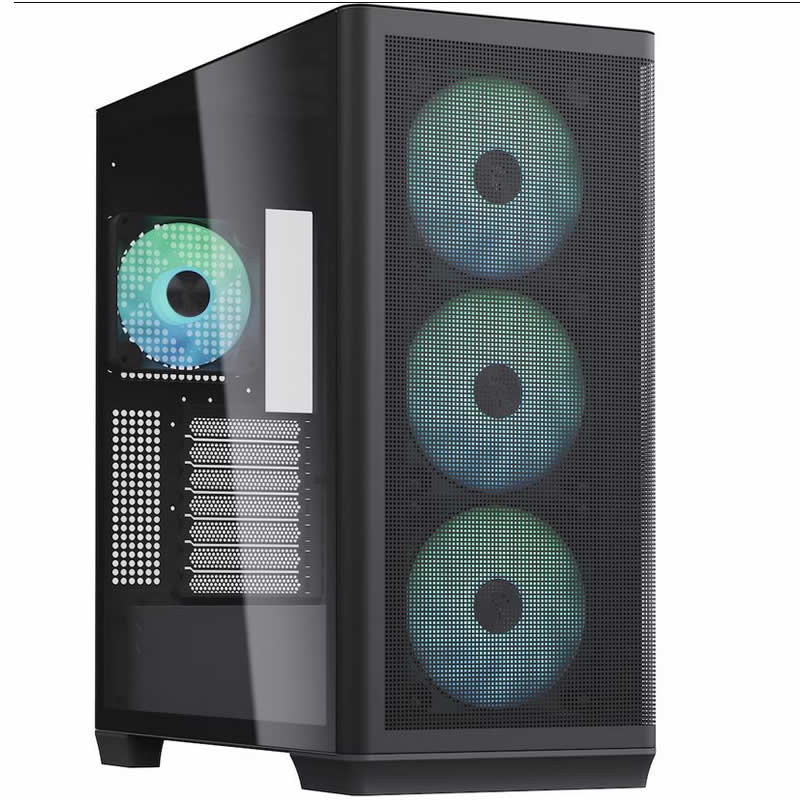
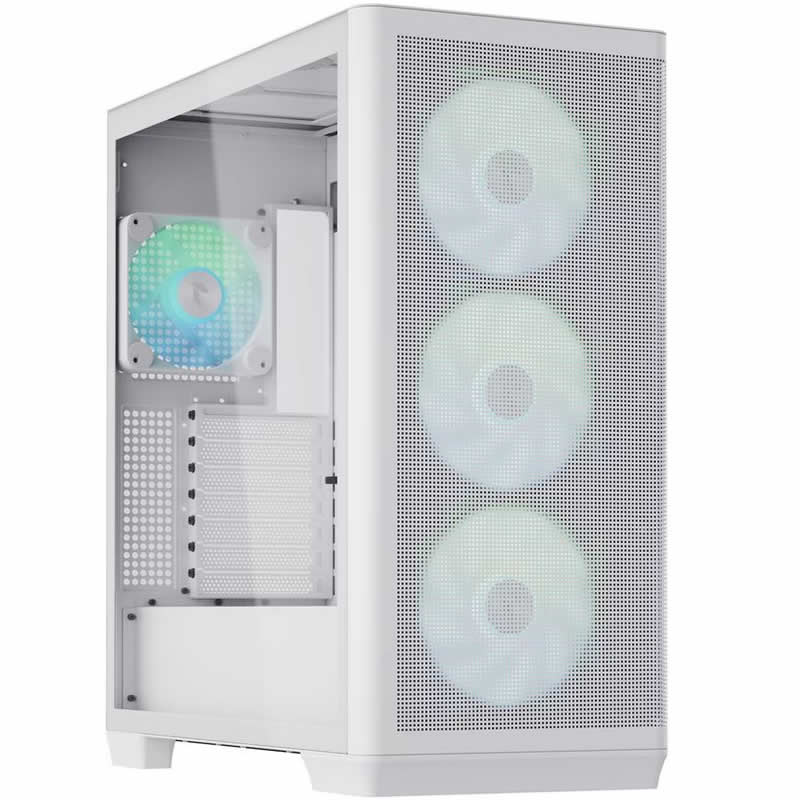
| Case | APNX Creator C1 Black |
| Power Supply | Corsair 1000w RM1000e 80+ Gold Full Modular |
| Memory Size | 64GB |
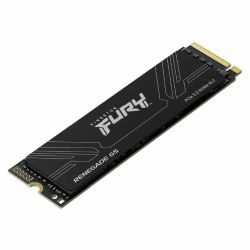
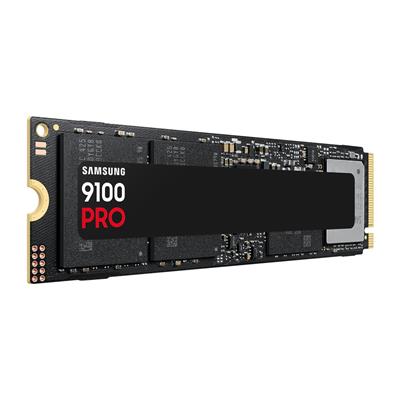
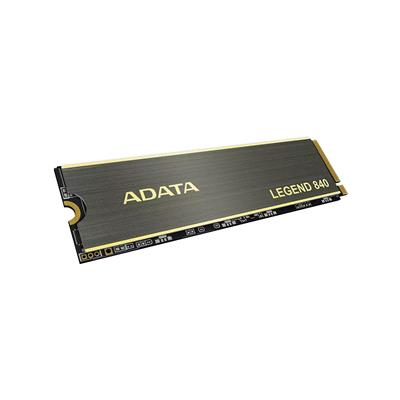
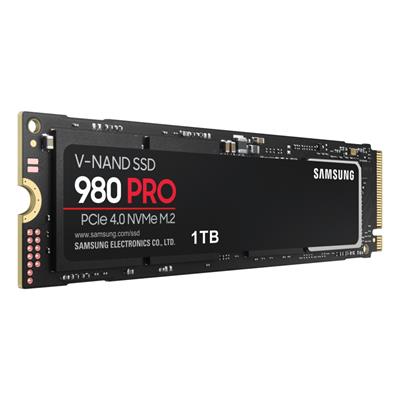
| Solid State Drive Size | 1TB |
| Graphics | Nvidia RTX 5090 32GB |
| Graphics Card Connections | Displayport (x3), HDMI |
| Audio | Realtek ALC887 8-channel high definition audio CODEC |
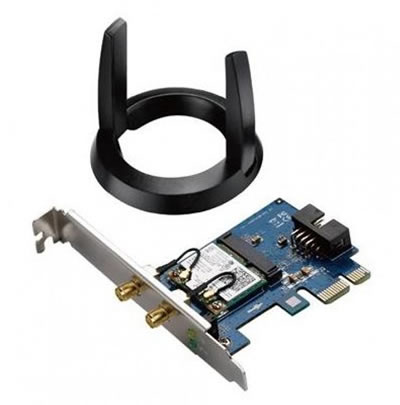
| LAN | 2.5GB LAN, Bluetooth, Wi-Fi 7 |
| Ethernet | Realtek 2.5GbE |
| Wi-Fi | WiFi 7 (MediaTek MT7925 rev1.0 / Realtek RTL8922AE rev1.1) |
| Bluetooth | 5.4 |
| Connections | Rear: 2x USB-C, 1x USB 3.2 Gen2, 3x USB 3.2 Gen1, 4x USB 2.0 |
| Front Panel Connections | 2x USB-A 3.x, 1x USB-C, HD Audio + Mic |
| USB2 Ports | 4 |
| USB3 Ports | 6 |
| USB-C Ports | 3 |
| Operating System | Windows 11 Home |
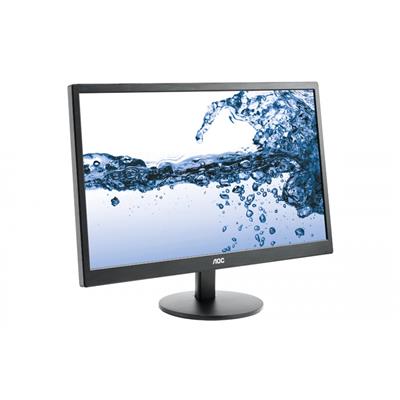
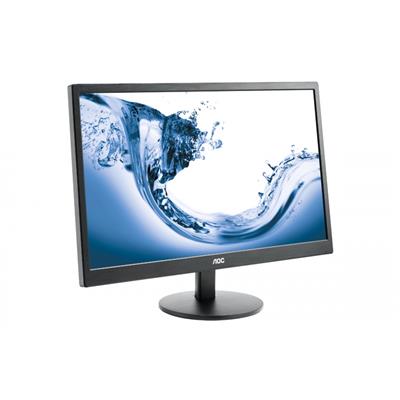
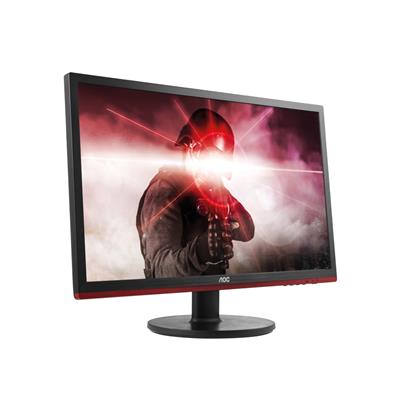
| Monitors | Optional (See Custom Options) |
| Warranty | 3 Year Bronze Warranty |
Reviews
- Be the first to review this product